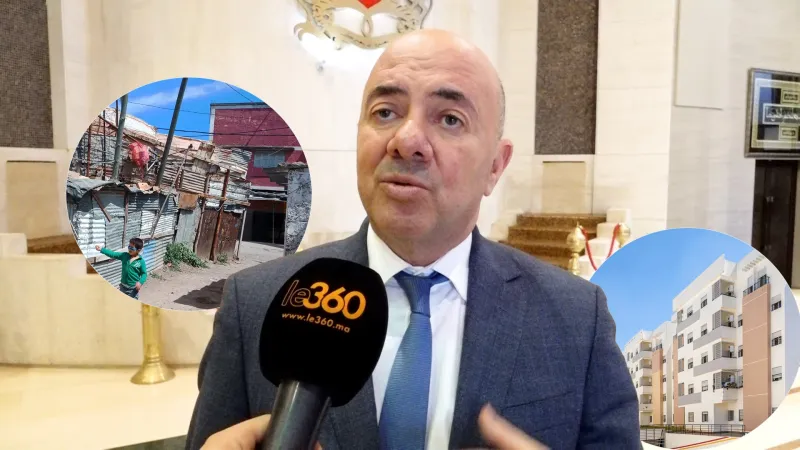
Morocco's 'Villes Sans Bidonvilles' (Cities Without Slums) program, launched in 2004, has made significant progress toward its goal of eradicating all informal housing by 2028. According to the Ministry of National Planning, Urban Planning, Housing and City Policy, as of early 2026, approximately 80% of the targeted 370,000 households have been relocated to decent housing.
The program, which has a budget of over 40 billion dirhams (about $4 billion), focuses on providing alternative housing solutions, including social housing units and serviced land plots. In 2025, the government accelerated efforts, relocating an additional 15,000 families, particularly in major cities like Casablanca, Marrakech, and Tangier.
However, challenges remain. Rapid urbanization and rural exodus continue to create new informal settlements, especially on the outskirts of large cities. The Ministry estimates that around 50,000 households still live in slums, requiring sustained investment and innovative urban planning to meet the 2028 deadline.
International organizations, including the World Bank and UN-Habitat, have praised Morocco's approach as a model for the region. The program has also been integrated with broader social initiatives, such as access to education and healthcare, to ensure sustainable integration of relocated families.