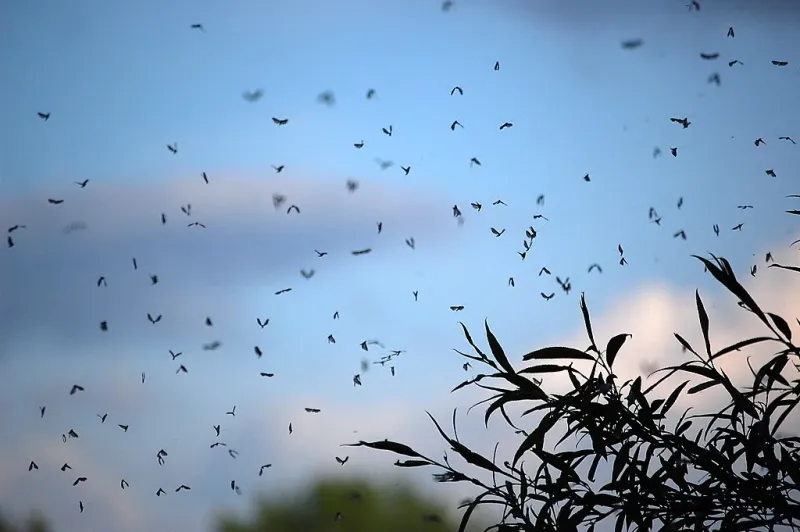
As summer 2026 approaches, Moroccan authorities have ramped up efforts to control flying insect populations, particularly mosquitoes and flies, to reduce the risk of vector-borne diseases. The National Program for the Fight against Vector-Borne Diseases, led by the Ministry of Health and Social Protection, has deployed insecticide spraying teams in high-risk areas, including urban centers and rural regions near water sources.
According to the Ministry, the campaign focuses on eliminating breeding sites through larvicide treatments and public awareness initiatives. In 2025, Morocco reported a 15% decrease in confirmed cases of leishmaniasis and a 10% drop in malaria cases compared to the previous year, partly due to these preventive measures. The World Health Organization has commended Morocco's integrated vector management strategy.
Local authorities in cities like Marrakech, Casablanca, and Tangier have also intensified waste collection and drainage maintenance to reduce insect habitats. Citizens are urged to use mosquito nets and repellents, especially during dawn and dusk when mosquitoes are most active. The campaign is expected to continue through September 2026.