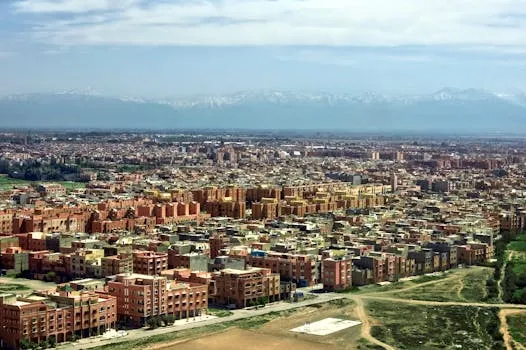
Morocco is experiencing significant urbanization driven by population growth and rural exodus. The government has launched initiatives such as the 'Villes sans bidonvilles' (Cities Without Slums) program to address housing needs. However, small and medium-sized developers face challenges in accessing financing and land, which limits their role in the sector.
According to a 2025 report by the Moroccan Ministry of Housing, the housing deficit is estimated at 1.2 million units, with demand concentrated in urban areas. Large developers dominate the market, while small promoters struggle with regulatory hurdles and high construction costs. The government's 'Programme d'Aide au Logement' (Housing Assistance Program) aims to support affordable housing, but small developers often lack the scale to participate effectively.
Industry experts note that small developers could play a crucial role in providing diverse housing options, especially in secondary cities. However, without targeted policies to ease access to credit and land, their contribution remains limited. The sector's dynamics highlight the need for inclusive urban planning that balances growth with social equity.