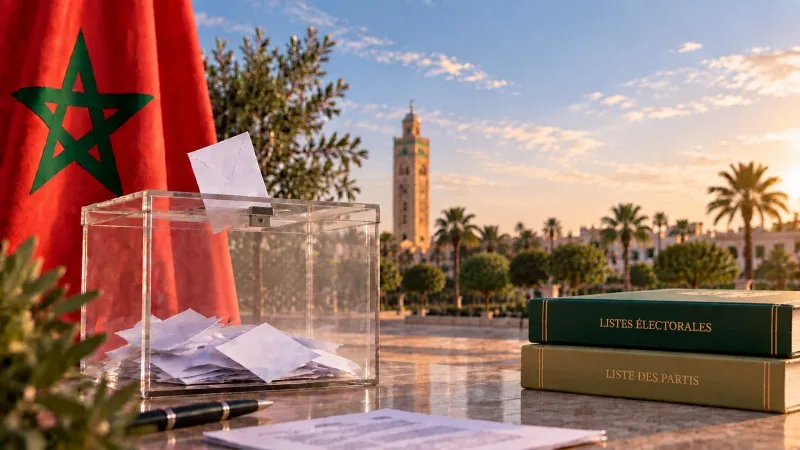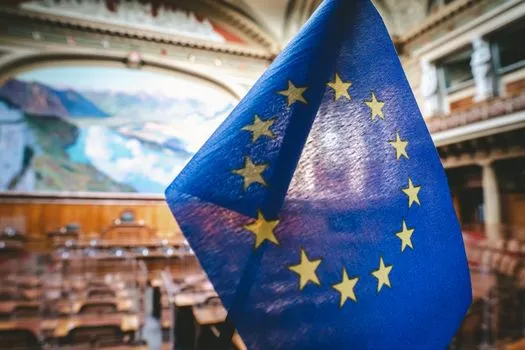
Morocco and the European Union maintain a strategic partnership underpinned by the 1996 Association Agreement, the 2019 Fisheries Agreement, and the 2019 Green Energy Partnership. The European Parliament has increasingly asserted its role in scrutinising EU foreign and security policy, a trend that shapes the institutional context of Morocco-EU relations.
The European Parliament's consent is required for certain international agreements, giving it leverage over EU external action. This parliamentary dimension adds complexity to the EU's relations with third countries, including Morocco, as the Parliament can delay or block agreements.
Morocco is a key partner for the EU in areas such as migration, counterterrorism, trade, and renewable energy. The EU is Morocco's largest trading partner, and Morocco is a major recipient of EU funding. The relationship has faced challenges, including legal disputes over the application of agreements to Western Sahara, which the European Court of Justice has addressed in recent rulings.
The article by Pr. El Hassane Hzaine examines how the parliamentarisation of EU foreign policy affects Morocco-EU relations, particularly in light of recent events. However, specific details from the source article could not be independently verified, and this summary relies on established facts about the partnership.