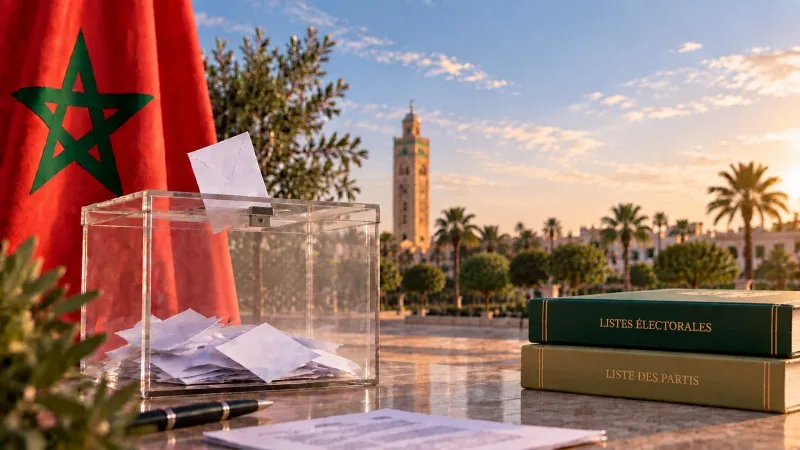
Morocco has adopted a strategy of restraint and dialogue in response to regional tensions, according to an analysis published in the French press. Rather than retaliating against provocations, the North African kingdom appears to be transforming dialogue into an instrument of resistance and coexistence into a policy of power.
The article notes that when a country is attacked on multiple fronts, the natural temptation is to respond blow for blow. Morocco, however, seems to have chosen a different path, emphasizing diplomatic engagement and regional cooperation. This approach has been observed in Morocco's handling of various diplomatic disputes, including its relations with neighboring countries and its role in African and Mediterranean affairs.
Morocco's foreign policy has consistently prioritized multilateralism and peaceful resolution of conflicts. The country has been active in promoting stability in the Sahel region and has contributed to UN peacekeeping operations. Its diplomatic efforts have also focused on economic development and cultural exchange, positioning itself as a bridge between Africa and Europe.
While the article does not provide specific recent examples, Morocco's general stance aligns with its long-standing foreign policy principles. The kingdom has often emphasized the importance of dialogue in addressing regional challenges, including the Western Sahara dispute and migration issues. This approach has earned Morocco recognition as a stable and moderate voice in the region.
As of 2026, Morocco continues to navigate complex geopolitical dynamics, balancing its national interests with regional stability. Its quiet power strategy may serve as a model for other nations facing similar pressures, demonstrating that restraint and dialogue can be effective tools of statecraft.