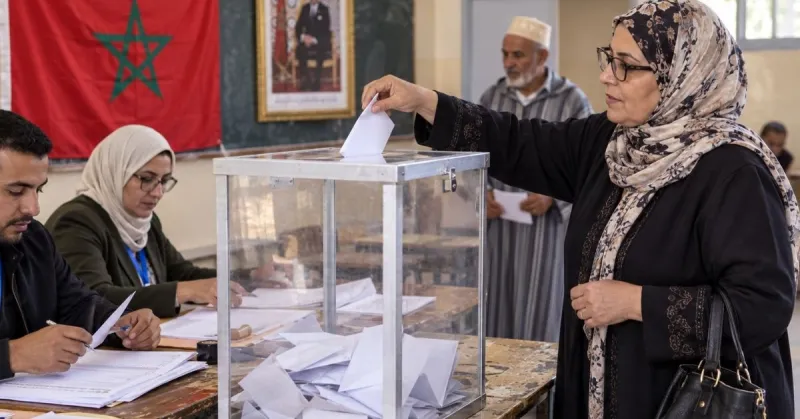
As Morocco approaches its next legislative elections, education has become a central issue in public debate. The country's education system faces persistent challenges, including high dropout rates, overcrowded classrooms, and disparities between urban and rural areas. These issues have sparked widespread discussion among political parties, civil society, and citizens.
In recent years, Morocco has undertaken significant reforms, notably through the Framework Law 51.17 on education, training, and scientific research, adopted in 2019. This law aims to overhaul the system by improving access, quality, and governance. However, its implementation has been gradual, and many of its objectives are still being rolled out.
The COVID-19 pandemic further exposed vulnerabilities, particularly the digital divide that hindered remote learning for many students. In response, the government has increased investments in digital infrastructure and teacher training, but challenges remain in ensuring equitable access to quality education across the kingdom.
As election campaigns intensify, political parties are outlining their visions for education. Proposals range from increasing education spending to revising curricula and expanding vocational training. The outcome of these elections will likely shape the direction of Morocco's education policies for years to come.