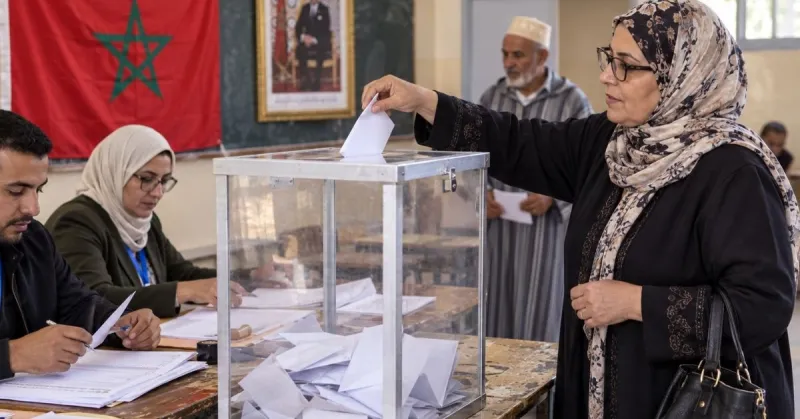
Morocco held its parliamentary elections in 2026, but the most striking outcome was not the distribution of seats—it was the low voter turnout. According to official figures, participation hovered around 40%, continuing a downward trend seen in previous elections. This abstention is widely interpreted as a political message from a electorate disillusioned with the political process.
Analysts point to several factors behind the low turnout. Persistent socio-economic challenges, including high youth unemployment and regional disparities, have fueled public skepticism about the ability of elections to bring about meaningful change. Many citizens feel that their vote will not translate into improved living conditions or greater political accountability.
The abstention also reflects a broader distrust in political institutions. In recent years, polls have shown declining confidence in parliament and political parties, which are often perceived as disconnected from everyday concerns. This sentiment is particularly strong among young people, who are increasingly opting out of formal political participation.
While the elections proceeded peacefully and were deemed credible by international observers, the low participation rate raises questions about the representativeness of the new parliament. Some political actors have called for reforms to restore trust, such as greater transparency and efforts to address economic grievances. However, without concrete action, abstention may continue to shape Morocco's political landscape.