Morocco's 2024 General Census of Population and Housing (RGPH 2024), conducted by the High Commission for Planning (HCP), showed the country's population reached approximately 37.4 million as of September 2024, up from 33.8 million in 2014. The census highlighted significant demographic shifts, including rapid expansion of urban peripheries and stagnation in some historic city centers.
Analysts point to a growing disconnect between these demographic changes and the current electoral district boundaries, which were last revised before the 2021 elections. The disparity raises concerns about equitable representation, as some fast-growing suburban areas may be underrepresented in parliament compared to slower-growing or declining urban cores.
According to the HCP, the urban population now accounts for about 62.8% of the total, up from 60.4% in 2014. Regions like Casablanca-Settat and Rabat-Salé-Kénitra saw notable suburban growth, while rural areas continued to lose population. Electoral districts, however, have not been adjusted to reflect these shifts, potentially skewing the weight of each vote.
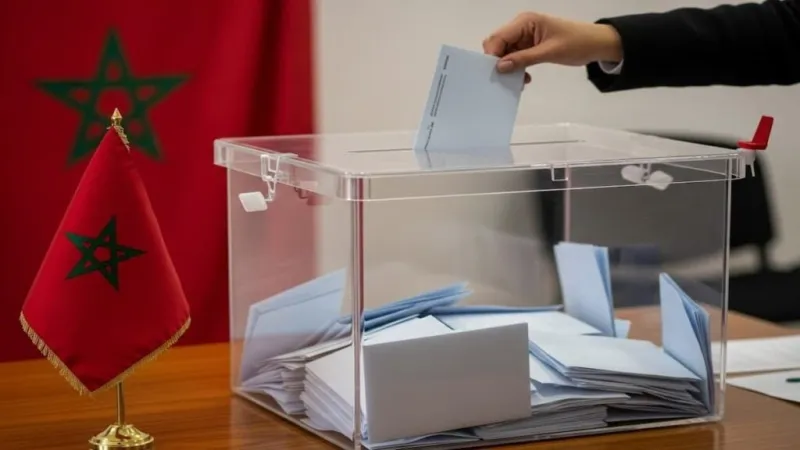
Political parties and civil society groups have called for a redrawing of electoral boundaries to align with the new census data, arguing that the current system undermines democratic principles. The government has not yet announced a timeline for revising the electoral map, but the issue is expected to be debated ahead of the next parliamentary elections.