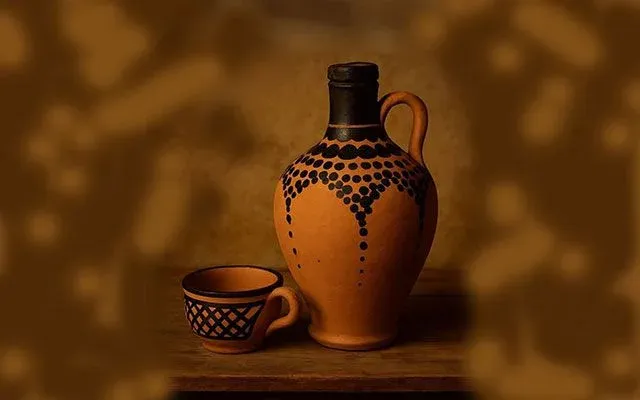
Morocco's State Secretariat for Handicrafts and Social and Solidarity Economy has issued instructions banning the use of tar in pottery intended for food use, following laboratory analyses that revealed high levels of carcinogenic compounds, according to a statement from the secretariat.
The decision, announced on June 26, 2026, aims to protect consumer health and preserve the authenticity of Moroccan pottery. The secretariat emphasized that traditional pottery must use natural materials that are safe for food contact.
Laboratory tests conducted on samples from various regions showed that tar, traditionally used as a waterproofing agent, can leach harmful substances into food, especially when heated. The secretariat has instructed artisans to replace tar with approved alternatives, such as natural oils or food-grade resins.
Artisans who fail to comply face penalties, including fines and potential suspension of their craft licenses. The secretariat also announced a support program to help potters transition to safer materials, including training sessions and financial assistance.
This measure is part of a broader effort to modernize the handicraft sector while preserving traditional techniques. The secretariat urged consumers to buy pottery from certified sources and report any violations.