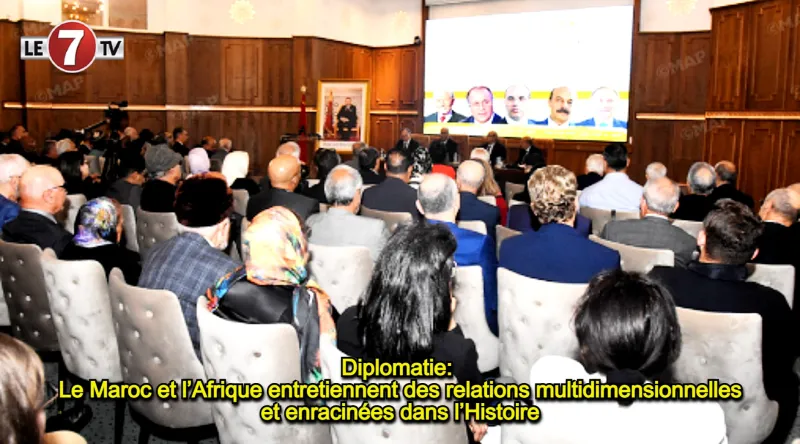
Morocco has cultivated extensive diplomatic and economic ties with African nations, rooted in shared history and geography. As of 2026, Morocco is a key player in African trade, with investments in banking, telecommunications, and agriculture across the continent. The country rejoined the African Union in 2017 after a 33-year absence, signaling a renewed commitment to continental integration.
Morocco's foreign policy emphasizes South-South cooperation, with King Mohammed VI undertaking numerous official visits to sub-Saharan Africa. These visits have resulted in bilateral agreements on security, counterterrorism, and cultural exchange. The Moroccan Agency for International Cooperation (AMCI) provides scholarships and technical training to thousands of African students annually.
Economically, Morocco is Africa's fifth-largest investor, with major projects in West Africa, including the construction of a fertilizer plant in Nigeria and a banking network spanning 26 African countries. The country also hosts the annual African Investment Forum, attracting global capital to the continent.
In the security domain, Morocco collaborates with African partners on counterterrorism and border control, sharing intelligence and hosting training programs for African military and police forces. The country's stability and moderate Islam are often cited as models for regional peacebuilding.
Cultural ties are reinforced through religious diplomacy, with Morocco training imams from Mali, Senegal, and other African nations to promote a tolerant version of Islam. The country also supports the preservation of African heritage, including through the restoration of manuscripts in Timbuktu.