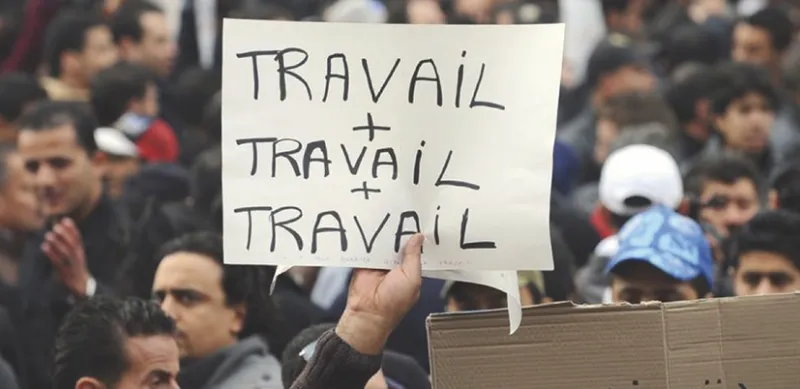
According to the latest report from Morocco's High Commission for Planning (HCP), released in May 2026, approximately 2.9 million young people aged 15 to 29 are classified as NEET (Not in Employment, Education, or Training). This represents a significant portion of the country's youth population, highlighting persistent challenges in the labor market and education system.
The HCP report emphasizes that the national average masks deep fractures. Young women are disproportionately affected, with NEET rates significantly higher than for men, particularly in rural areas. Regional disparities are also stark, with some regions showing NEET rates double the national average, reflecting unequal access to opportunities and infrastructure.
Economic inactivity among NEET youth is linked to several factors, including low educational attainment, lack of vocational training, and limited job creation in formal sectors. The report calls for targeted policies to address these structural issues, such as improving access to quality education, expanding apprenticeship programs, and fostering inclusive economic growth.
This data underscores the urgency for Morocco to implement effective strategies to integrate these young people into the economy and society, as prolonged NEET status can lead to long-term skill erosion and social exclusion.