Moroccan Hashish Networks Turn Violent in Spain

Morocco's hashish production nears 1,000 tons annually, with increasingly violent trafficking networks in Spain.

Moroccan Hashish Networks Turn Violent in Spain

Image: bladi.net

Despite a reduction in cultivated areas since the 2000s, Morocco has compensated with significantly higher agricultural yields. Hashish production now approaches 1,000 tons annually, solidifying its position as the world's leading producer.

However, the trafficking networks operating in Spain have become increasingly violent. Recent reports indicate a rise in clashes between rival groups and with law enforcement, particularly in the southern regions of Andalusia and the Campo de Gibraltar.

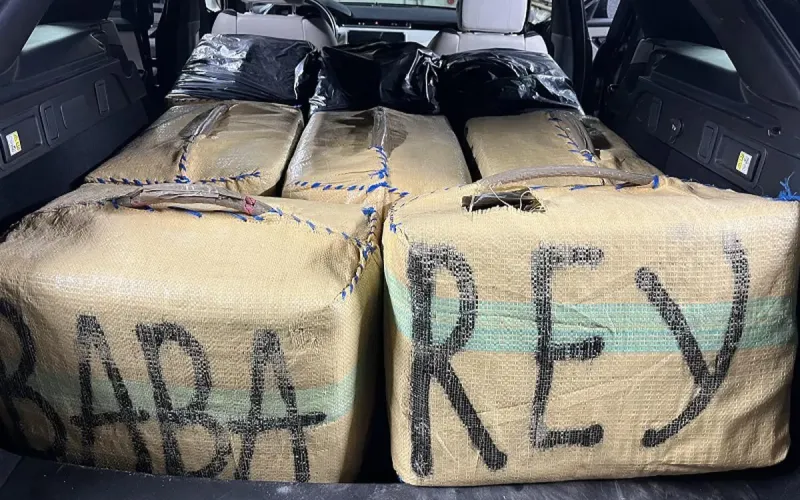
Spanish authorities have intensified operations against these networks, seizing large quantities of hashish and arresting key figures. The violence is attributed to competition over smuggling routes and the high profitability of the trade.

Morocco remains the primary source of hashish for Europe, with the drug often entering through Spain's porous borders. The situation highlights ongoing challenges in combating drug trafficking and associated violence in the region.

❓ Frequently Asked Questions

Why has Moroccan hashish production increased despite fewer cultivated areas?

Morocco has improved agricultural yields, allowing production to approach 1,000 tons annually despite reduced cultivation areas since the 2000s.

What is driving the increase in violence among trafficking networks in Spain?

Competition over smuggling routes and the high profitability of the hashish trade have led to more violent clashes between rival groups and with law enforcement.

Which regions in Spain are most affected by this violence?

The southern regions of Andalusia and the Campo de Gibraltar are particularly affected due to their proximity to Morocco and role as entry points for hashish.

📰 Sources:
bladi.net → Source →
Share: