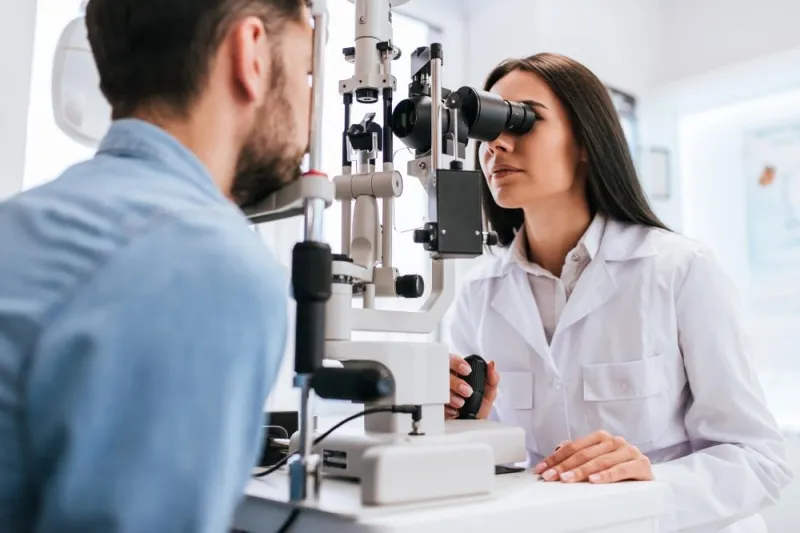
On June 4, 2026, the Moroccan Union of Liberal Ophthalmologists (UMOL) held a press conference in Casablanca to highlight critical shortcomings in the country's eye care system. Dr. Hassan Benchekroun, president of UMOL, stated that the number of practicing ophthalmologists in Morocco is around 800, far below the World Health Organization's recommended ratio of 1 per 20,000 inhabitants, leading to long wait times and limited access, especially in rural areas.
The union also denounced the proliferation of unqualified practitioners offering laser vision correction and other procedures without proper oversight. Dr. Fatima Zahra El Idrissi, a member of UMOL, cited cases of patients suffering irreversible damage after treatments in non-specialized clinics. She called for stricter enforcement of existing regulations and a national registry of certified eye care providers.
Another major concern is the lack of modern diagnostic equipment in public hospitals. According to a 2025 report from the Ministry of Health, only 30% of public ophthalmology departments have functioning optical coherence tomography (OCT) machines, essential for detecting glaucoma and macular degeneration. UMOL urged the government to allocate additional funding for equipment and training.
In response, the Ministry of Health announced on June 5 that it would launch a national eye health strategy by September 2026, including a plan to train 200 new ophthalmologists over five years and equip 50 public hospitals with modern diagnostic tools. However, UMOL expressed skepticism, noting similar promises in the past that were not fully implemented.