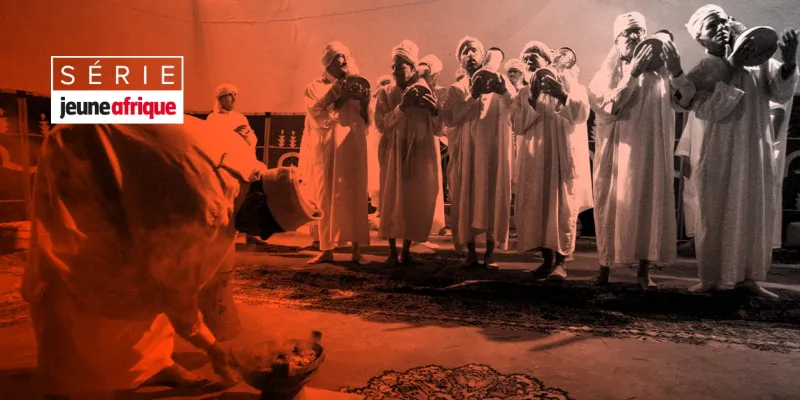
Moroccan divination, known locally as 'ilm al-raml (sand reading) and istikhara (divination by prayer), has deep roots in the country's diverse cultural history. Scholars trace these practices to a blend of Berber, Arab, and Islamic influences, with some techniques arriving via trade routes from sub-Saharan Africa and the Middle East.
One of the most widespread forms is raml, or geomancy, which involves interpreting patterns in sand or pebbles. This practice is documented in medieval Islamic texts and remains common in Moroccan markets, where practitioners, often called rammal, offer readings for a fee. Another popular method is istikhara, a ritual of seeking guidance through dreams or prayer, which is rooted in Islamic tradition and used for major life decisions.
Astrology and palmistry also feature prominently, with practitioners using zodiac charts and hand lines to predict fortunes. These arts are often passed down through families, and many Moroccans consult diviners for matters of love, business, and health. However, religious authorities sometimes criticize these practices, arguing they conflict with Islamic teachings on fate and the unseen.
In recent years, divination has adapted to modern times, with many practitioners offering consultations via phone or social media. Despite technological changes, the core rituals remain unchanged, reflecting a enduring cultural fascination with the unknown.


