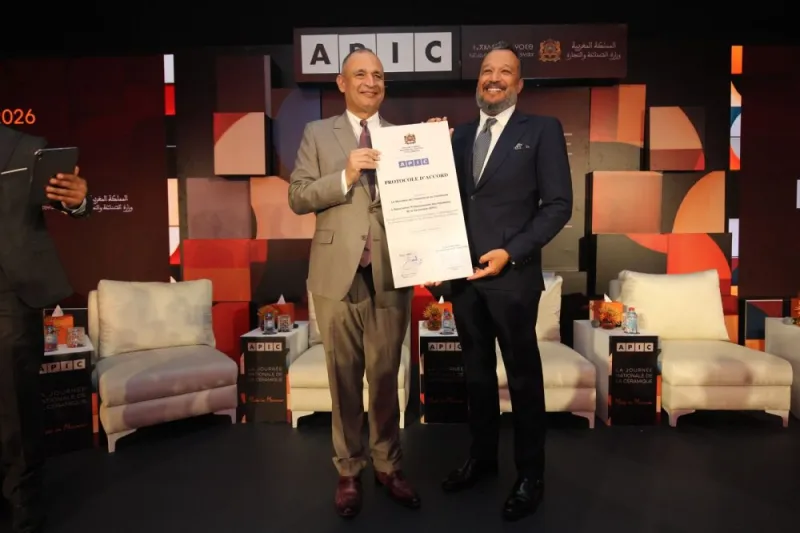
Moroccan ceramics, a centuries-old craft, is undergoing a transformation from a symbol of cultural resistance to a competitive player in the global market. According to a 2025 report by the Moroccan Ministry of Industry and Trade, the sector employs over 100,000 artisans and contributes approximately 2% to the country's GDP. The shift is driven by investments in modern kilns, digital design tools, and training programs that blend traditional techniques with contemporary aesthetics.
Key initiatives include the 'Céramique Maroc 2030' strategy, launched in 2024, which aims to increase exports by 30% by 2030. In 2025, exports of Moroccan ceramics reached $450 million, up from $320 million in 2020, with major markets in Europe, the Middle East, and North America. The strategy focuses on quality certification, sustainable production, and branding under the 'Made in Morocco' label.
Artisans in Fes and Safi, traditional hubs, are adopting new methods while preserving heritage. For instance, the Fes School of Ceramics, established in 2023, has trained over 500 students in both traditional glazing and modern 3D modeling. This dual approach has led to a 15% increase in sales of high-end ceramic products in 2025, according to the Moroccan Association of Ceramic Industries.
Challenges remain, including competition from Chinese and Italian ceramics, and the need for better access to financing for small workshops. However, the sector's resilience and adaptation are seen as a model for other traditional industries in North Africa. The Moroccan government has allocated $20 million in subsidies for ceramic artisans to upgrade equipment and access international trade fairs.