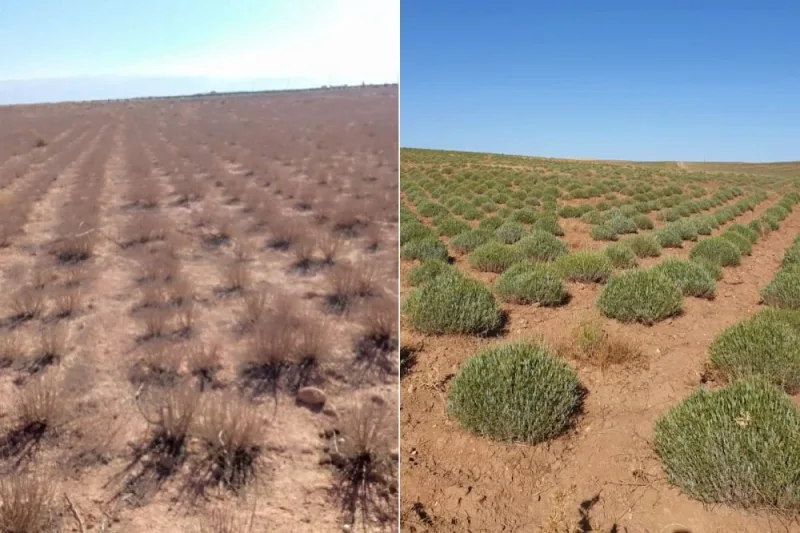
After enduring a severe, multi-year drought, Morocco's aromatic and medicinal plant sector is showing signs of recovery. The drought, which lasted several years and peaked with significant deficits in 2022 and 2023, severely impacted agricultural cycles and led to a scarcity of key species like rosemary, thyme, and lavender, crucial for the country's export-oriented industry.
Recent rainfall in the 2025-2026 agricultural season has brought much-needed relief to the Atlas Mountains and other cultivation regions. This improved hydrology is allowing farmers to gradually restore production levels. The sector, which involves over 50,000 rural families and generates significant export revenue, had faced declining yields and economic hardship during the dry period.
In response to the climate crisis, authorities and cooperatives are implementing adaptation strategies. These include promoting the cultivation of more drought-resistant native species, improving water management techniques, and developing more resilient seed varieties. The goal is to build a more sustainable sector less vulnerable to future climatic shocks.
The recovery remains fragile and dependent on consistent rainfall patterns. Experts emphasize that long-term viability hinges on continued investment in climate-smart agriculture and sustainable harvesting practices to preserve biodiversity. The recent positive trend offers cautious optimism for a vital component of Morocco's rural economy and cultural heritage.