Illegal mining operations in India's Aravalli mountain range, one of the world's oldest geological formations, are accelerating environmental degradation. The hills, which act as a natural heat shield for the Thar Desert, are being stripped of vegetation and topsoil, leading to increased dust and higher local temperatures.
According to a 2025 report by the Centre for Science and Environment (CSE), mining activities, particularly for sandstone and other minerals, have led to a 30% loss of forest cover in parts of the Aravallis over the past two decades. The report highlights that this deforestation reduces the hills' ability to moderate temperatures, contributing to heatwaves in nearby cities like Jaipur and Delhi.
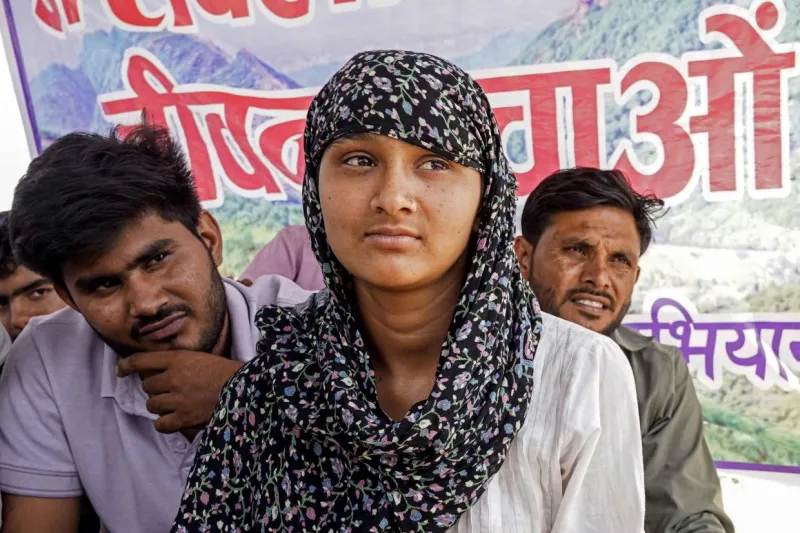
Local communities and environmental activists have protested against the unchecked mining, which often violates environmental clearance norms. In 2024, the National Green Tribunal (NGT) ordered a ban on illegal mining in several districts of Rajasthan and Haryana, but enforcement remains weak.
The Aravallis, stretching across Gujarat, Rajasthan, Haryana, and Delhi, are crucial for groundwater recharge and biodiversity. Their destruction threatens not only local ecosystems but also the climate resilience of the region.