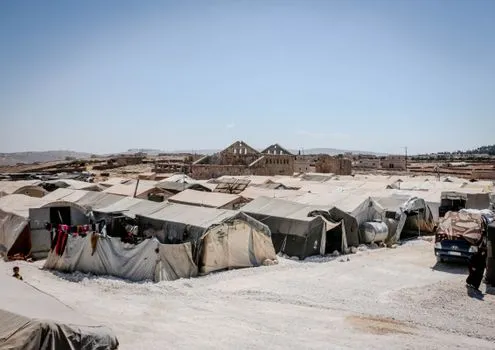
At the border between the Spanish enclave of Ceuta and Morocco, dozens of migrants remain in a state of limbo, according to reports from the area. The individuals, who have crossed into the enclave illegally or are waiting to do so, speak of their desperate attempts to reach European soil and the harsh conditions they endure.
Local NGOs and humanitarian workers have raised alarms about the situation, noting that many migrants are sleeping rough, with limited access to food, water, and medical care. The Spanish government has faced criticism for its handling of the situation, with some calling for more humane treatment and faster processing of asylum claims.
The border, which has been a flashpoint for migration for years, saw a significant increase in attempts in 2025, according to data from the Spanish Interior Ministry. The ministry reported that over 1,200 migrants entered Ceuta illegally in the first half of 2025, a 30% increase from the same period the previous year.
In response, Spain has reinforced border security, including the installation of new surveillance technology and increased patrols. However, migrants and advocates argue that such measures do not address the root causes of migration, such as poverty and conflict in sub-Saharan Africa.
As the situation continues, the European Union has called for a coordinated approach to migration, emphasizing the need for solidarity among member states and cooperation with countries of origin and transit.