Tensions across the Middle East have intensified in early April 2026, with multiple simultaneous crises unfolding involving Israel, Lebanon, Iran, and the United States. A fragile two-week ceasefire was reported to have taken effect in one of the region's active conflict zones, though its durability remained uncertain amid continued military activity.
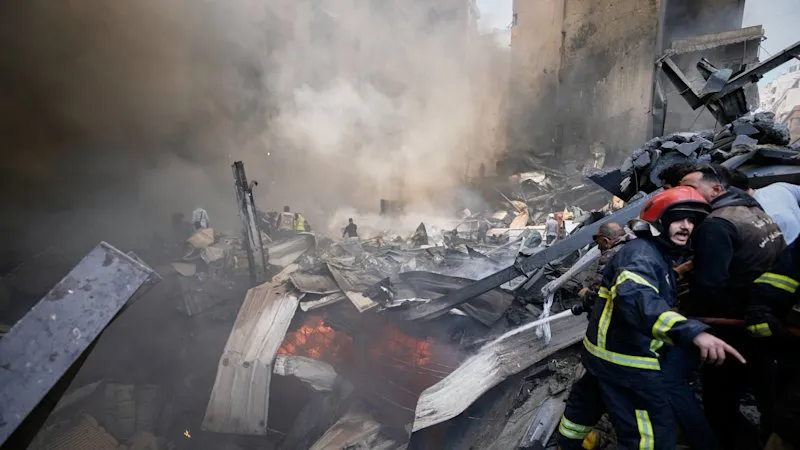
Israel launched what observers described as some of its heaviest strikes on Lebanon in recent months, targeting positions in the country's south. The strikes drew international condemnation and raised fears of a broader regional escalation, coming at a time when diplomatic efforts to stabilise the region were already under significant strain.
Iran announced the closure of the Strait of Hormuz, a critical global shipping lane through which a significant portion of the world's oil supply passes. The move prompted sharp reactions from Western governments and sent shockwaves through global energy markets. U.S. President Donald Trump issued stark warnings to Iran over the closure, with his rhetoric drawing widespread attention and debate over its strategic intent.
Australian opposition defence spokesman James Paterson commented on Trump's warnings, suggesting they may have been a deliberate attempt to apply maximum pressure on Tehran to reverse the closure. Analysts cautioned that the situation remained highly fluid, with the risk of miscalculation high on all sides. International calls for de-escalation grew louder as the crises deepened.