The ongoing conflict in the Middle East, particularly the war in Gaza that began in October 2023 and continued through 2025 and into 2026, has had significant ripple effects across African economies. Many African nations, already vulnerable to external shocks, have faced rising import costs, disrupted supply chains, and increased inflationary pressure as a direct consequence of regional instability.
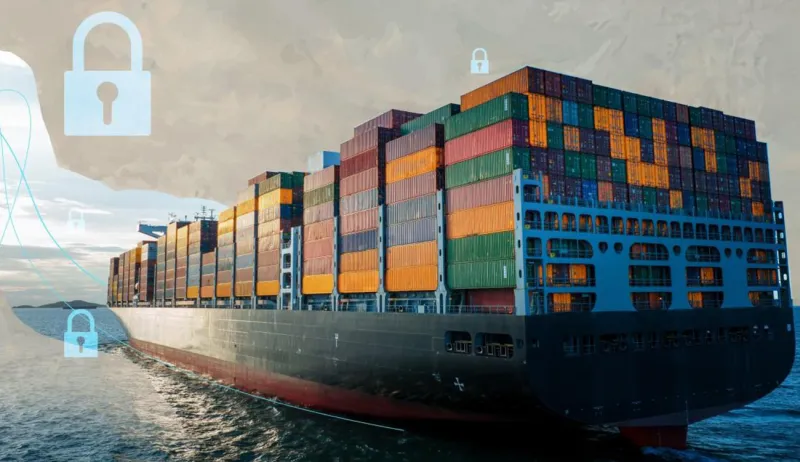
One of the most immediate impacts has been on food and energy prices. Africa is a major importer of wheat, cooking oil, and petroleum products, many of which transit through or originate from the Middle East and neighboring regions. Disruptions to Red Sea shipping routes — caused by Houthi attacks on commercial vessels beginning in late 2023 — forced cargo ships to reroute around the Cape of Good Hope, significantly increasing shipping times and costs. This added burden has been passed on to consumers across the continent, deepening food insecurity in already fragile states.
Remittances from African workers in Gulf Cooperation Council (GCC) countries have also come under pressure. Millions of Africans work in Saudi Arabia, the UAE, Qatar, and other Gulf states, and the funds they send home represent a critical source of income for families and national economies alike. Regional uncertainty has affected labor markets and, in some cases, the volume and reliability of these transfers.
African governments and international institutions such as the African Development Bank (AfDB) and the International Monetary Fund (IMF) have called for stronger economic buffers, diversified trade partnerships, and investment in local food production to reduce dependence on volatile global supply chains. Analysts stress that building long-term resilience — through infrastructure investment, regional trade integration, and social safety nets — is essential for the continent to withstand future geopolitical shocks.
The broader geopolitical realignment triggered by the Middle East conflict has also prompted some African nations to reassess their diplomatic and trade relationships, with several governments seeking to balance ties between Western partners and Gulf states while pursuing greater economic self-sufficiency. The African Union has urged member states to adopt coordinated responses to external economic shocks as part of its Agenda 2063 development framework.