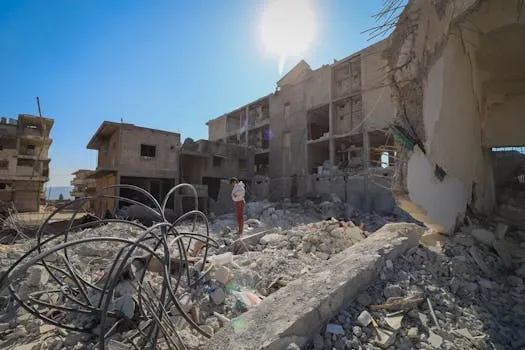
Middle East Conflict: No Budget Revision, Risks to Purchasing Power and Energy

Morocco rules out a revised budget law despite Middle East tensions, but warns of potential impacts on purchasing power and energy prices.

Middle East Conflict: No Budget Revision, Risks to Purchasing Power and Energy

Image: lematin.ma

Morocco's government has confirmed that it will not introduce a revised Finance Law (loi de Finances rectificative) for 2026, despite ongoing tensions in the Middle East. Economy Minister Nadia Fettah stated on May 3, 2026, that the current budget remains valid, as the conflict has not yet caused major disruptions to the national economy.

However, the minister acknowledged risks to purchasing power and energy prices if the conflict escalates. Morocco imports most of its energy needs, making it vulnerable to global oil and gas price fluctuations. The government has set aside a contingency fund to mitigate potential shocks, but no specific measures have been announced.

Analysts note that while the direct impact on Morocco's economy has been limited so far, prolonged instability could affect tourism, foreign investment, and trade routes. The government is monitoring the situation closely and may adjust policies if necessary.

❓ Frequently Asked Questions

Why is Morocco not introducing a revised budget despite the Middle East conflict?

The government says the conflict has not yet caused major economic disruptions, so the current budget remains valid. A contingency fund is available if needed.

What are the main risks to Morocco's economy from the conflict?

Risks include higher energy prices affecting purchasing power, potential impacts on tourism and foreign investment, and trade route disruptions.

When did Economy Minister Nadia Fettah make this statement?

She made the statement on May 3, 2026, as reported by Moroccan media.

📰 Source:
lematin.ma →
Share: