Governments in Europe and beyond are pointing to the ongoing conflict in the Middle East as a significant factor influencing national budgets. The instability, particularly following the October 2023 Hamas attack on Israel and the subsequent war in Gaza, has contributed to regional volatility and global economic uncertainty.
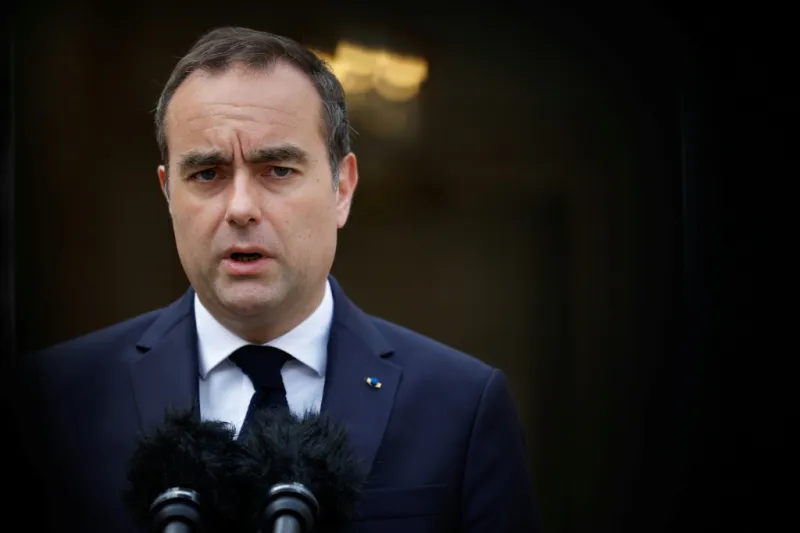
This geopolitical tension is frequently cited to justify increased defense and security expenditures. For instance, in March 2024, French Armed Forces Minister Sébastien Lecornu presented a draft military budget law for 2024-2030, emphasizing a "war economy" and significant funding increases, partly in response to a more threatening international context. Similar budgetary shifts emphasizing defense have been noted in other NATO countries.
Economists note that prolonged conflict can strain public finances through multiple channels, including higher energy prices, disrupted trade routes, and the costs of supporting allies or managing refugee flows. These factors can exacerbate existing budget deficits, providing a rationale for governments to adjust fiscal plans or delay certain domestic spending initiatives.
While the Middle East crisis presents a real economic challenge, some political analysts argue it can also serve as a convenient scapegoat for pre-existing fiscal difficulties or unpopular budgetary choices. The extent of its direct impact versus other economic factors remains a subject of debate among policymakers.