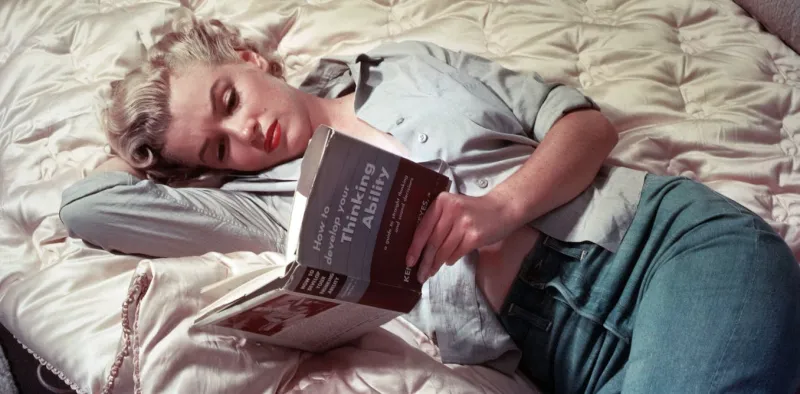
Marilyn Monroe, born Norma Jeane Mortenson on June 1, 1926, would have turned 100 in 2026. While the public image of Monroe as a blonde bombshell endures, scholars and biographers increasingly emphasize her efforts to control her own career and image, often in opposition to Hollywood's myth-making machine.
Monroe was not merely a product of the studio system. She co-founded her own production company, Marilyn Monroe Productions, in 1954, a bold move that gave her greater creative control. She studied method acting at the Actors Studio in New York, seeking to be taken seriously as an artist. Her performances in films like 'Bus Stop' (1956) and 'Some Like It Hot' (1959) demonstrated her comedic timing and dramatic range.
Despite her professional ambitions, Monroe struggled with personal demons, including mental health issues and substance abuse, which were often sensationalized by the press. Her death on August 5, 1962, at age 36, was ruled a probable suicide, but conspiracy theories persist. The centenary has prompted renewed discussions about her legacy, with exhibitions and retrospectives highlighting her intelligence, wit, and resilience.
Ultimately, the myth of Marilyn Monroe—the vulnerable, tragic sex symbol—often overshadows the reality of a savvy, determined woman who fought for her place in an industry that sought to define her. As we mark her 100th birthday, it is this more nuanced portrait that deserves recognition.