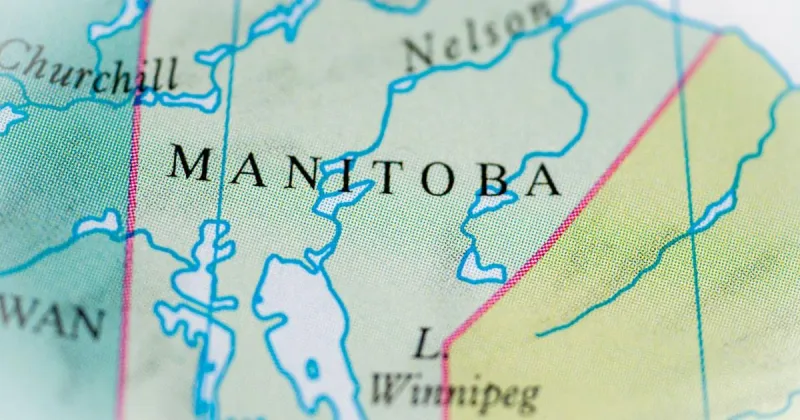
Heather Klein, who served as Premier of Manitoba from 2023 to 2026, has publicly stated that the province possesses significant untapped potential but is held back by a systemic lack of urgency in its policy and economic approach. Her comments, made in recent public forums and opinion pieces, highlight ongoing concerns about Manitoba's economic trajectory.
Klein points to verifiable statistics, such as Manitoba's GDP growth rate of 0.7% in 2025, which lagged behind the national average of 1.2% according to Statistics Canada. She has also cited the province's persistent challenges with interprovincial migration, with more people leaving Manitoba for other provinces than arriving in recent years.
The former premier argues that this situation demands a more aggressive strategy to capitalize on the province's strengths in agriculture, manufacturing, and hydroelectric power. She has called for accelerated action on trade corridors, regulatory reform, and workforce development to improve competitiveness.
Political analysts note that Klein's critique comes as the new provincial government, led by Premier Wab Kinew, sets its policy agenda. The current administration has pledged to focus on economic reconciliation and healthcare, setting the stage for a debate on the pace and priorities of Manitoba's development.