As of May 16, 2026, Mali continues to be a focal point in global geopolitics, situated at the crossroads of historical trade routes and modern strategic interests. The country has been grappling with a complex security crisis since 2012, involving jihadist insurgencies, ethnic tensions, and the presence of various international actors.
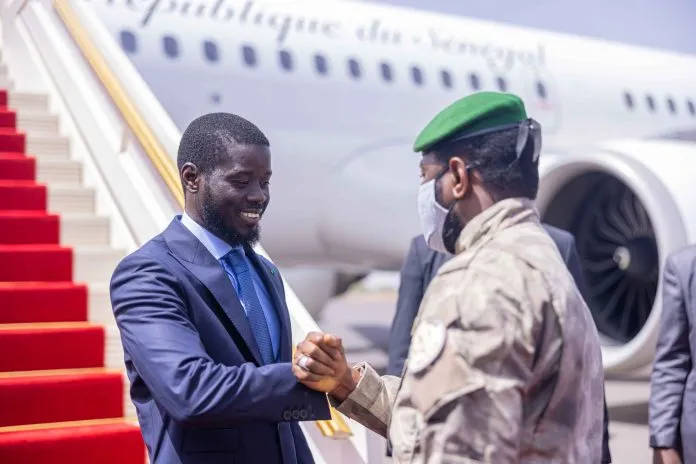
Recent reports indicate that the Malian government, under the military junta led by Colonel Assimi Goïta, has deepened its ties with Russia, particularly through the Wagner Group (now known as Africa Corps). This shift has led to a reduction in French and other Western military presence, with France officially ending its Operation Barkhane in 2022. However, the security situation remains precarious, with attacks by groups affiliated with Al-Qaeda and the Islamic State continuing in the central and northern regions.
Mali's role as a transit point for illegal activities, including drug trafficking and arms smuggling, further complicates its geopolitical significance. The country's vast, ungoverned spaces provide safe havens for militant groups, impacting regional stability in the Sahel.
International efforts, such as the United Nations Multidimensional Integrated Stabilization Mission in Mali (MINUSMA), have faced challenges, including restrictions on movement and access imposed by the junta. As of early 2026, MINUSMA's mandate remains under review, with some member states calling for a phased withdrawal due to the deteriorating cooperation with the Malian authorities.