Malaria continues to be one of the deadliest infectious diseases in the world, claiming more than 600,000 lives each year, the vast majority of them children under five in sub-Saharan Africa. Despite significant scientific advances, including the approval and rollout of the RTS,S/AS01 (Mosquirix) vaccine and the more recently developed R21/Matrix-M vaccine, public health experts warn that the global fight against malaria is entering an increasingly fragile phase.
The World Health Organization's World Malaria Report has documented persistent challenges, including rising drug resistance in parasites and insecticide resistance in mosquito populations. Climate change is also expanding the geographic range of Anopheles mosquitoes, the primary vector for the Plasmodium parasites that cause malaria, bringing the disease to higher altitudes and new regions that were previously unaffected.
Funding pressures represent another serious concern. Global health financing for malaria programs has faced uncertainty, with cuts to international aid budgets threatening the supply chains for bed nets, antimalarial drugs, and diagnostic tools that frontline health workers depend on. Researchers emphasize that even partial disruptions to prevention and treatment programs can rapidly reverse hard-won gains in malaria mortality reduction.
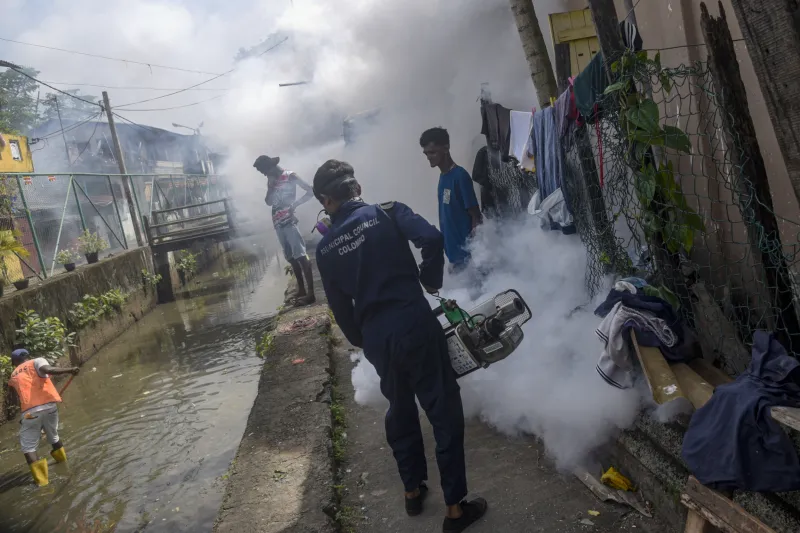
The R21/Matrix-M vaccine, developed by the University of Oxford and the Serum Institute of India, has shown efficacy rates of up to 75% in clinical trials and has received approval in several African countries. However, experts caution that vaccines alone are insufficient without sustained investment in health infrastructure, vector control, and community health programs. A multi-layered approach combining vaccines, insecticide-treated nets, indoor residual spraying, and prompt treatment remains essential to reducing the disease burden.
Public health officials stress that political will and sustained international funding are as critical as scientific innovation. Without renewed commitment from donor nations and endemic countries alike, the progress achieved over the past two decades — which has halved malaria mortality rates globally — risks being undone by a combination of biological, environmental, and financial pressures.