Health researchers continue to raise alarms about a range of invisible daily hazards that affect millions of people worldwide, often without their knowledge. These threats span environmental, dietary, and lifestyle factors — many of which have been the subject of growing scientific scrutiny in recent years.
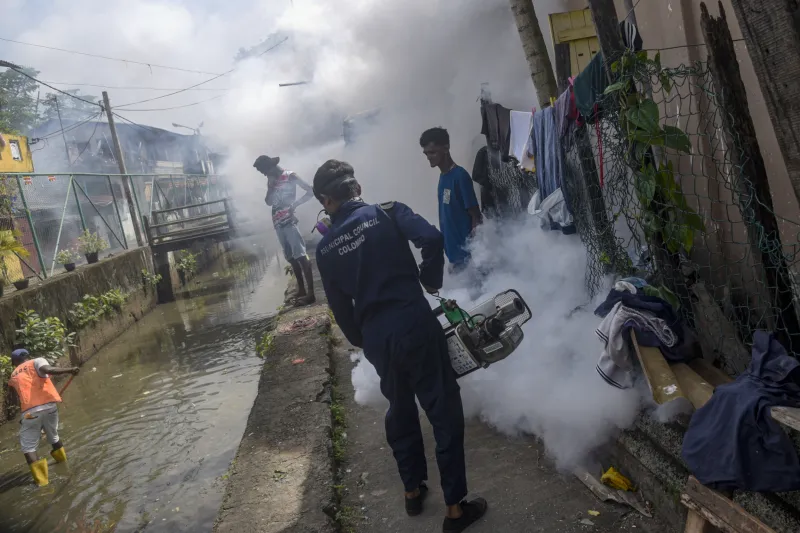
Air pollution remains one of the most documented silent killers. According to the World Health Organization (WHO), ambient air pollution causes approximately 4.2 million premature deaths per year globally, with fine particulate matter (PM2.5) penetrating deep into the lungs and bloodstream. Indoor air pollution adds further risk, particularly in low- and middle-income countries where solid fuels are used for cooking.
Microplastics have emerged as a major concern. Studies published in peer-reviewed journals have detected microplastic particles in human blood, lungs, placentas, and even brain tissue. While the full health implications are still being studied, researchers have linked microplastic exposure to inflammation and potential endocrine disruption. A 2024 study published in The New England Journal of Medicine found microplastics and nanoplastics in arterial plaque, associated with higher cardiovascular risk.
Ultra-processed foods (UPFs) are another well-documented risk. Research published in the British Medical Journal and other leading journals has consistently linked high UPF consumption to increased risks of obesity, type 2 diabetes, cardiovascular disease, and certain cancers. UPFs now account for more than 50% of daily caloric intake in countries like the United States and the United Kingdom. Sedentary behavior, chronic sleep deprivation, noise pollution, and endocrine-disrupting chemicals (found in plastics, pesticides, and personal care products) round out the list of pervasive but underappreciated health threats identified by scientists.
Public health experts stress that while individual exposure to any single risk may seem modest, the cumulative effect of multiple simultaneous exposures — sometimes called the "cocktail effect" — may significantly amplify health consequences. Regulatory bodies in Europe and North America are increasingly pushing for stricter limits on chemical exposures and greater transparency in food labeling, though advocates argue that progress remains too slow given the scale of the problem.