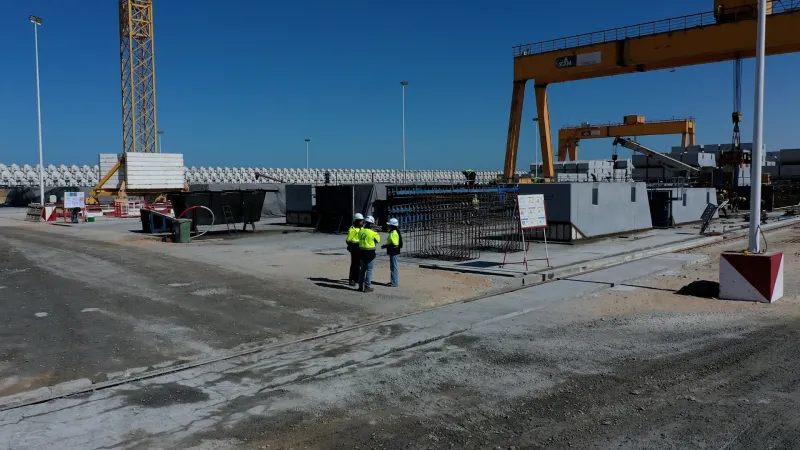
As of 2026, numerous large-scale infrastructure projects are in the planning or early construction phases globally, driven by national development goals and climate adaptation needs. Major initiatives often span several years, making specific '2026-only' project starts difficult to isolate from ongoing multi-year programs.
In the energy sector, significant investment continues in renewable power generation and grid modernization. Desalination plant construction, particularly in water-stressed regions like the Middle East and North Africa, remains a priority, with projects like the Taweelah plant expansion in the UAE being a key example. These are critical for water security but face scrutiny over energy consumption and environmental impact.
Transport infrastructure also sees sustained activity. Port expansions, such as those at Singapore's Tuas Port and various US ports funded by recent legislation, aim to boost capacity and efficiency. Road and rail projects, including high-speed rail developments in Asia and Europe, continue, though they often encounter delays related to funding, land acquisition, and environmental assessments.
The planning and execution of these megaprojects are increasingly framed by dual pressures: the need for economic stimulus and job creation versus the imperative to meet stricter environmental standards and achieve net-zero commitments. Public and private financing, alongside international partnerships, will be decisive in determining which planned projects break ground in 2026.