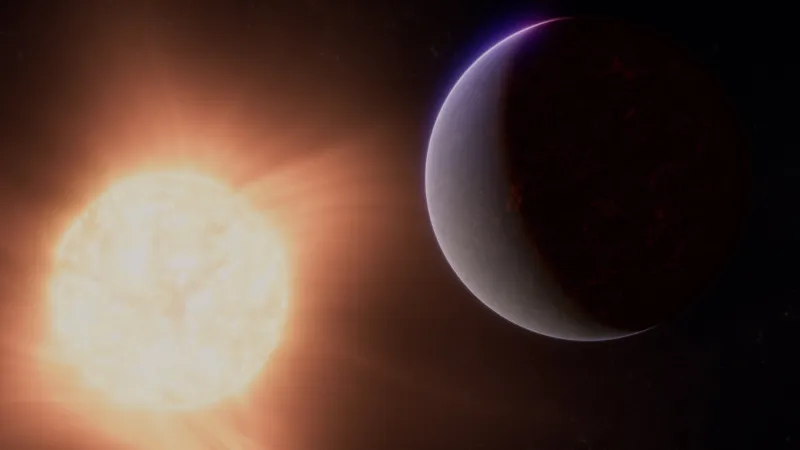
A new study published in the journal Astronomy & Astrophysics on May 10, 2026, has established a lower size limit for exoplanets that could potentially support life. The research, led by Dr. Amélie Fontaine of the University of Geneva, used computer simulations to determine that rocky planets must have a radius of at least 0.3 Earth radii to retain a stable atmosphere.
The model accounts for factors such as stellar radiation, planetary mass, and volcanic outgassing. Planets smaller than this threshold are unlikely to hold onto an atmosphere over geological timescales, making them inhospitable for surface liquid water. The findings help refine the search for habitable worlds by focusing on exoplanets above this size limit.
Dr. Fontaine stated, 'This gives us a clear filter for future observations with telescopes like the James Webb Space Telescope.' The study analyzed data from over 200 known exoplanets and simulated atmospheric escape rates for various sizes. The results are considered a significant step in the search for Earth-like planets beyond our solar system.