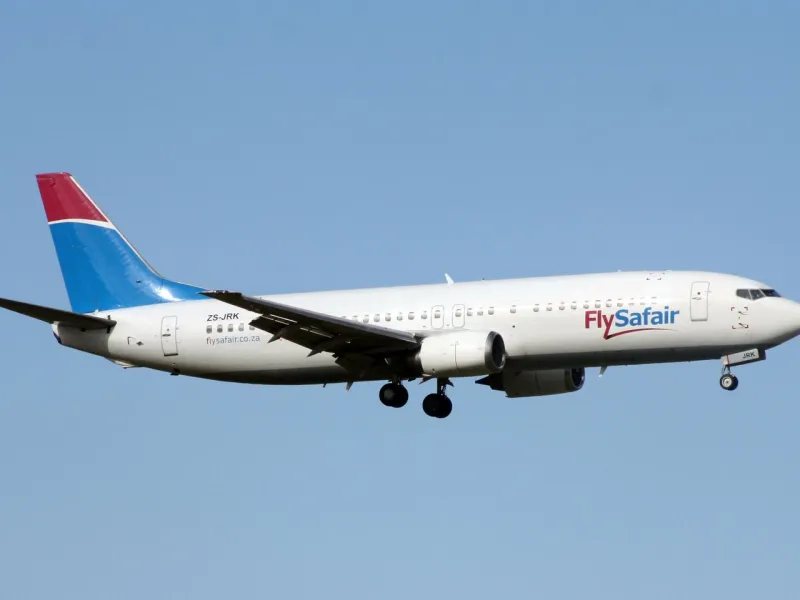
The African aviation market is witnessing a significant shift as low-cost carriers (LCCs) expand their networks, directly challenging the continent's established national airlines. Airlines like Fastjet, Jambojet, and FlySafair have grown their footprint, offering competitive fares on popular regional and domestic routes traditionally dominated by legacy carriers such as Ethiopian Airlines, Kenya Airways, and South African Airways.
This competition is driving down airfares and increasing connectivity within Africa, which has long suffered from some of the world's highest ticket prices due to protectionist policies and high operating costs. The International Air Transport Association (IATA) has consistently highlighted the potential for LCC growth to stimulate economic development across the continent by making air travel more accessible.
However, the low-cost model faces substantial hurdles in Africa, including expensive jet fuel, high airport charges, and restrictive bilateral air service agreements that limit market access. Furthermore, the financial resilience and extensive intercontinental networks of giants like Ethiopian Airlines present a formidable barrier to new entrants seeking to scale up.
The dynamic creates a complex landscape where low-cost carriers are carving out niches on specific corridors, while the major full-service airlines continue to leverage their hub-and-spoke models and government support. The long-term sustainability of the low-cost expansion will depend on regulatory reforms and infrastructure improvements to reduce the industry's overall cost base.