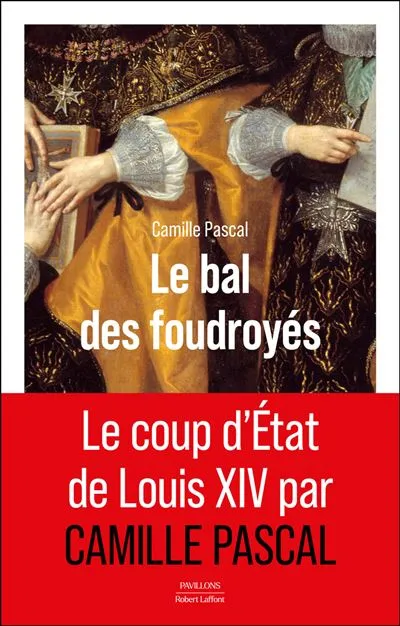
On February 15, 1662, King Louis XIV of France performed in a spectacular ballet titled 'Bal des foudroyés' (Ball of the Struck by Lightning) at the Louvre Palace. This event was part of the 'Carrousel des Tuileries,' a series of equestrian and theatrical displays designed to project royal power after the turbulent Fronde civil wars (1648–1653).
Historical records confirm that Louis XIV, then 23, danced the role of Apollo, the sun god, reinforcing his emerging identity as the 'Sun King.' The ballet featured elaborate costumes, music by Jean-Baptiste Lully, and choreography that emphasized the king's central role in the state. The term 'foudroyés' referred to those struck by lightning, symbolizing the king's absolute power to punish or pardon.
The event was meticulously documented by court chroniclers and remains a key example of how Louis XIV used performance art to consolidate political authority. It marked a shift from the nobility's rebellious past to a centralized monarchy under the king's control.