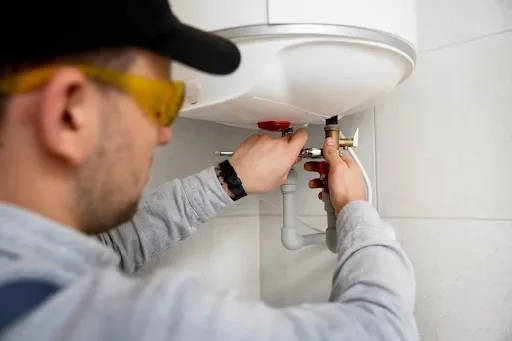
In the UK, landlords are legally required to keep boilers and heating systems in safe working order under the Landlord and Tenant Act 1985 and the Homes (Fitness for Human Habitation) Act 2018. This means that if a boiler breaks down, the landlord must arrange a repair within a reasonable time—typically 24 to 48 hours for heating and hot water issues, depending on the severity and weather conditions. Tenants should report the fault in writing and allow access for repairs.
If the landlord fails to act, tenants can take several steps. They may apply to the local council, which can issue an improvement notice or even a prohibition order. Since the Fitness for Human Habitation Act, tenants can also sue for compensation in the county court. Additionally, under the Deregulation Act 2015, retaliatory eviction is banned if the tenant has complained about repairs. For gas safety, landlords must have an annual Gas Safety Check by a Gas Safe registered engineer and provide a copy of the certificate to tenants.
Emergency repairs: If the boiler breaks down and the landlord is unresponsive, tenants may arrange for a Gas Safe engineer to fix it and deduct the cost from rent, but only after following proper legal procedures. It is advisable to seek advice from Citizens Advice or Shelter before doing so. Landlords should also ensure they have landlord insurance that covers boiler breakdowns, as standard home insurance may not suffice.
In summary, prompt action is key. Landlords who delay risk fines, legal action, and damage to their property. Tenants should document all communications and seek professional advice if repairs are not made. For the latest guidance, consult the UK government's website on private renting.


