The concept of strategic depth, referring to the creation of buffer zones within hostile or potentially hostile territories, has re-emerged as a central topic in Israeli security discussions following the 2023 war with Hamas. Senior Israeli officials, including Prime Minister Benjamin Netanyahu, have publicly stated that Israel will maintain security control over all territory west of the Jordan River, including the Gaza Strip, for the foreseeable future.
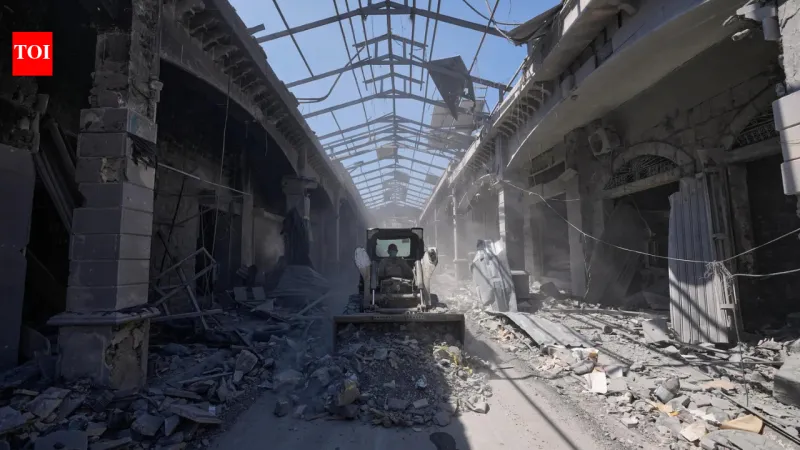
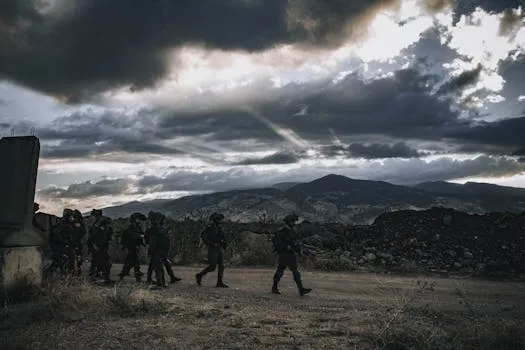
In January 2024, Defense Minister Yoav Gallant outlined a postwar plan for Gaza that explicitly rejected Israeli civilian settlement but insisted on Israeli military operational freedom. This plan involves the creation of a "security buffer zone" inside the Gaza perimeter, a measure reportedly already being implemented on the ground. The stated goal is to prevent a repeat of the October 7 attacks.
However, this stance faces significant international opposition. The United States and other allies have repeatedly stated their opposition to any reduction of Gazan territory or permanent Israeli re-occupation. The policy is also a point of contention within Israel's war cabinet, with critics arguing it lacks a clear political endgame for Gaza's governance.
The debate over strategic depth extends to Israel's northern border with Lebanon, where clashes with Hezbollah have intensified. Some security analysts argue that true security requires diplomatic normalization with regional partners, not just territorial buffers, highlighting the complex trade-offs between military control and long-term stability.