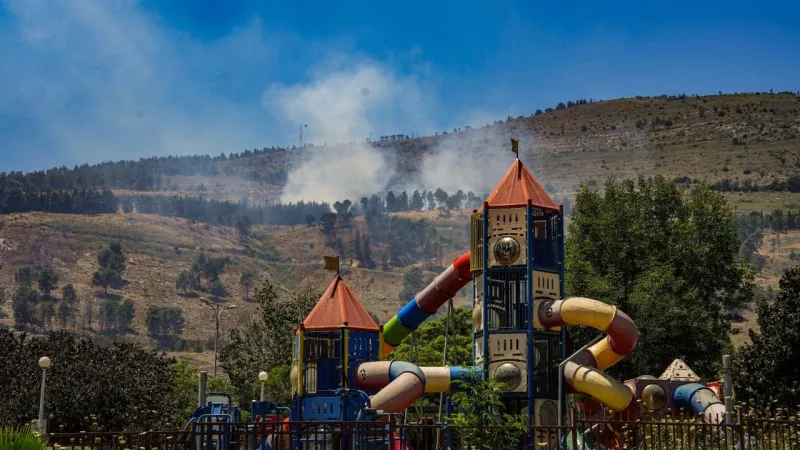
As of June 2026, the conflict along Israel's northern border with Lebanon continues, with Hezbollah rocket attacks and Israeli airstrikes displacing tens of thousands of residents since October 2023. The article argues that the government's focus on managing evacuations is insufficient and calls for a shift toward investing in community resilience and respite models.
According to verified reports from the Times of Israel and Haaretz, as of early 2026, approximately 60,000 residents from northern communities remain evacuated. The government has provided temporary housing and financial compensation, but critics say long-term planning is lacking.
Experts cited in the article emphasize that resilience programs, including mental health support, community centers, and economic incentives for return, are needed to prevent permanent depopulation of the border region. The article notes that similar models have been used in southern Israel after past Gaza conflicts.
The piece concludes that without a strategic investment in community resilience, the northern border risks becoming a ghost zone, undermining Israel's security and national cohesion.