Five years after its adoption in 2021 during the COVID-19 pandemic, Morocco's New Development Model (NMD) has seen mixed results, according to recent reports. The NMD was designed as a strategic roadmap to transform the country's economy and society by 2035, focusing on human capital, innovation, and inclusive growth.
Key achievements include progress in renewable energy, with Morocco now generating over 40% of its electricity from renewables, and improvements in social protection coverage, which expanded to 22 million people under the AMO health insurance program. However, challenges remain in reducing unemployment, which stood at 12.8% in early 2026, and in addressing regional disparities.
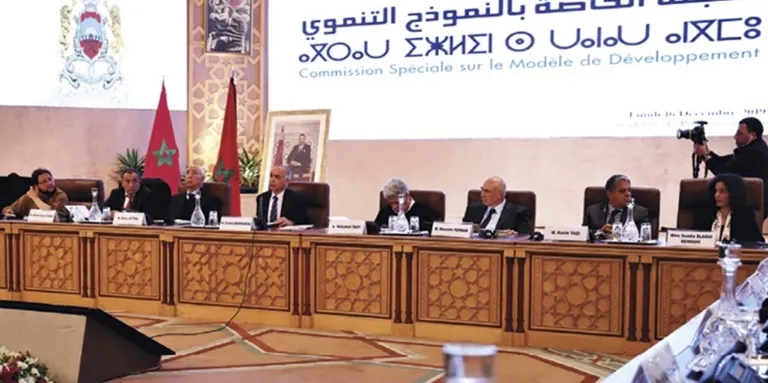
The NMD's implementation has been overseen by a special commission, and the government has launched several flagship projects, including the generalization of social protection and the reform of the education system. Critics note that while some targets have been met, others, such as reducing the Gini coefficient and boosting private investment, lag behind.
As of June 2026, the NMD remains a central reference for policy-making, with ongoing efforts to accelerate reforms in key sectors like health, education, and the business environment.