Israel's military campaign against Hezbollah has faced significant challenges, as a year of precision strikes in 2025 and a ground offensive in March 2026 failed to eliminate the group's drone capabilities. According to reports from Israeli defense officials, Hezbollah has continued to launch drone attacks into northern Israel, prompting a reassessment of strategy.
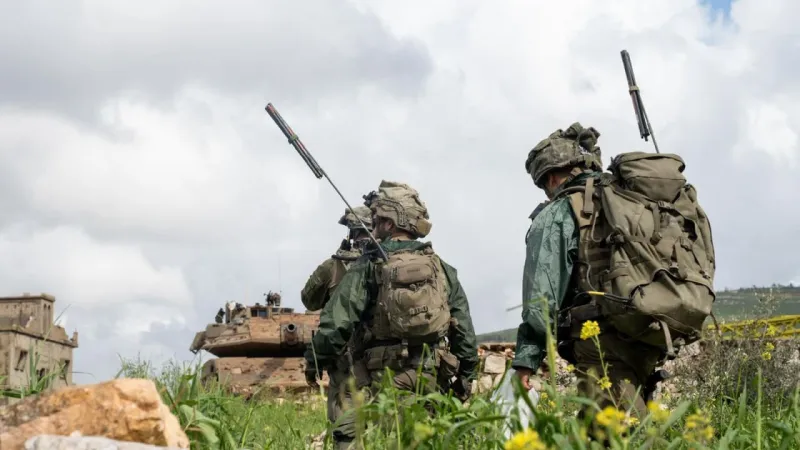
The March 2026 offensive, which involved ground troops and airstrikes, was intended to destroy Hezbollah's missile and drone infrastructure in southern Lebanon. However, the group's decentralized network and use of civilian areas for cover have made it difficult to achieve lasting results. Israeli intelligence estimates that Hezbollah still possesses thousands of drones, including advanced models capable of evading air defenses.
Current discussions within the Israeli security cabinet focus on a combination of targeted assassinations, cyber operations, and diplomatic pressure to degrade Hezbollah's capabilities. Some officials advocate for a larger ground operation, while others warn of the risk of a wider war with Lebanon and potential Iranian involvement.
The failure of previous offensives has also led to public criticism in Israel, with families of displaced northern residents demanding more effective action. The United States has urged restraint, while France has proposed a new UN-brokered ceasefire, though Hezbollah has rejected previous truce terms.
As of late May 2026, no new major operation has been announced, but Israeli Defense Minister Yoav Gallant stated that 'all options remain on the table' to stop the drone attacks. The situation remains tense, with sporadic exchanges of fire along the border.