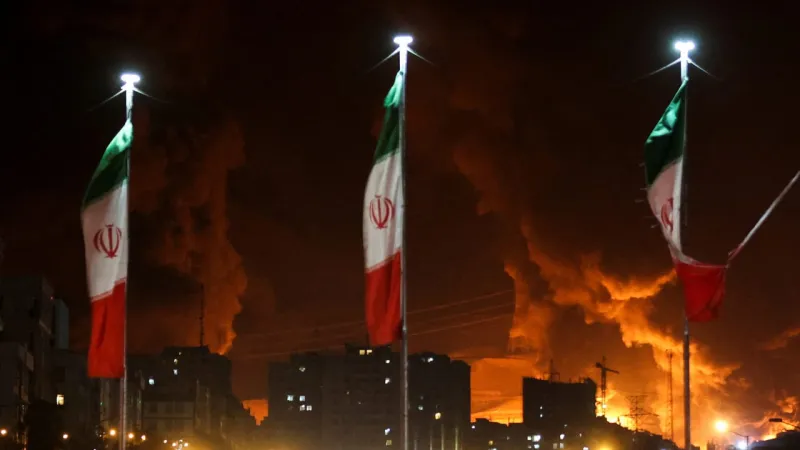
Israel has demonstrated its military capability to strike Iran, as seen in recent operations, but analysts argue that a long-term strategy requires building a robust international coalition to counter Tehran's regional influence. According to a report by the Institute for National Security Studies (INSS) in Tel Aviv, dated June 2026, military power alone is insufficient to address the multifaceted threat posed by Iran's nuclear program and proxy networks.
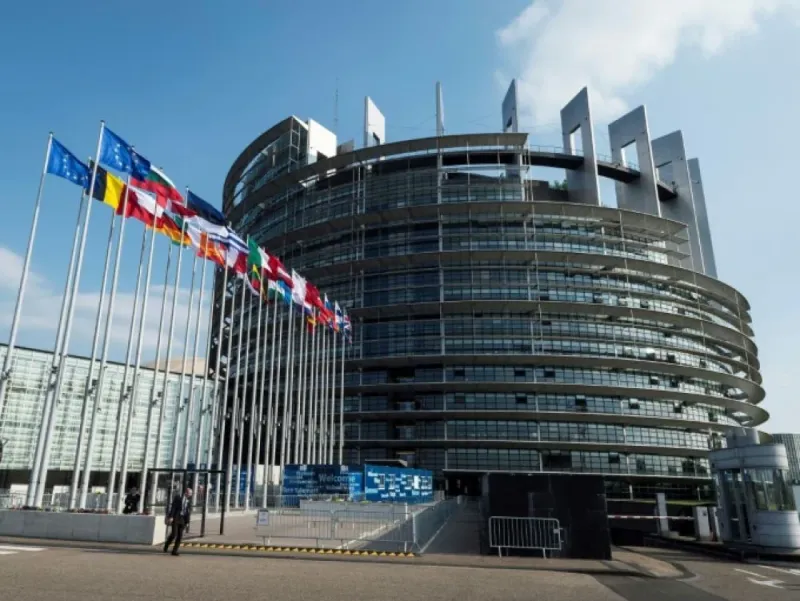
The INSS report emphasizes that Israel must prioritize diplomatic efforts to strengthen alliances with Gulf states, European partners, and the United States. These coalitions could focus on economic sanctions, intelligence sharing, and cyber defense to degrade Iran's capabilities without escalating into full-scale conflict. As of June 2026, Iran continues to enrich uranium at levels close to weapons-grade, according to the International Atomic Energy Agency (IAEA), heightening the urgency for a coordinated response.
Israeli officials have acknowledged the need for a comprehensive approach. In a speech on June 15, 2026, Prime Minister Benjamin Netanyahu stated, 'Our military might is a deterrent, but we must also work with allies to ensure Iran cannot threaten the region.' The United States has reaffirmed its commitment to Israel's security, with Secretary of State Antony Blinken noting on June 18, 2026, that 'diplomacy remains the preferred path, but all options are on the table.'
Critics argue that past coalition-building efforts have been hampered by divergent interests among regional actors. For instance, while Saudi Arabia and Israel share concerns about Iran, normalization talks have stalled due to the Israeli-Palestinian conflict. Experts suggest that a sustainable strategy must address these underlying issues to maintain unity.
As of June 21, 2026, no major military escalation has occurred, but tensions remain high. The INSS report concludes that Israel's success will depend on its ability to integrate military deterrence with a diplomatic framework that isolates Iran economically and politically.