Iraq finds itself in a precarious position as the United States and Iran engage in diplomatic negotiations over Iran's nuclear program. For years, Iraq's government has tolerated — and at times empowered — Iranian-backed armed factions operating on its territory, a dynamic that now complicates Baghdad's ability to chart an independent course.
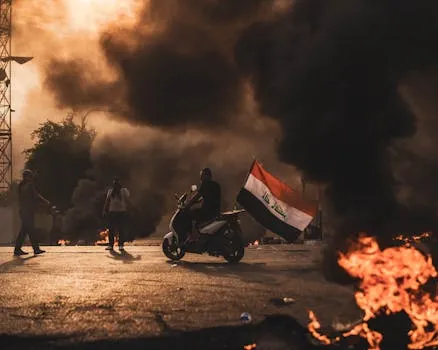
Iran-aligned militias, operating under the umbrella of the Popular Mobilization Forces (PMF), have long used Iraqi soil as a staging ground for regional operations. During the 2023–2024 Gaza conflict, these groups launched repeated drone and rocket attacks against US military positions in Iraq and Syria, prompting American retaliatory strikes inside Iraqi territory and straining Baghdad's relations with Washington.
The Iraqi government, led by Prime Minister Mohammed Shia' al-Sudani, has repeatedly called for the withdrawal of US-led coalition forces while simultaneously struggling to rein in militia factions that operate with significant autonomy. Baghdad's dual dependency on both Tehran and Washington leaves it with limited room to maneuver as the two powers negotiate directly.
Analysts warn that any US-Iran deal — or breakdown in talks — could reshape the operational calculus of Iran-backed groups in Iraq. A successful agreement might reduce militia activity, while a collapse could trigger renewed escalation on Iraqi soil, putting civilian infrastructure and Iraqi sovereignty at further risk.