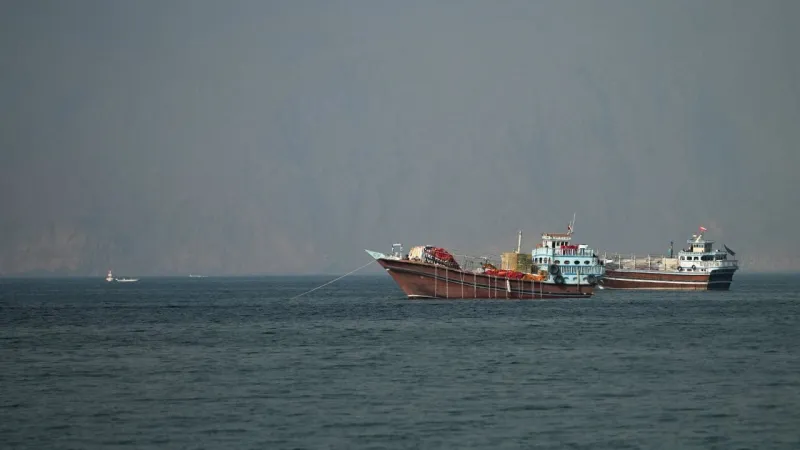
Iran's recent attacks on commercial vessels in the Strait of Hormuz have sparked a unified response from Gulf states, according to reports from July 2026. The attacks, which targeted ships transiting the strategic waterway, have been condemned by Saudi Arabia, the United Arab Emirates, and Bahrain, among others.
Gulf solidarity is emerging in an even larger way than before, as regional powers set aside differences to address the threat to maritime security. The Strait of Hormuz is a critical chokepoint for global oil shipments, and any disruption impacts world energy markets.
While some countries, including Oman and Kuwait, have called for diplomatic solutions to de-escalate tensions, they have also expressed outrage at Iran's actions. The unified stance marks a shift from previous divisions within the Gulf Cooperation Council.
Iran has not officially commented on the attacks, but analysts suggest the moves are aimed at exerting pressure amid ongoing nuclear negotiations. The situation remains fluid, with international navies increasing patrols in the region.