Iran's political regime has not undergone significant structural changes, according to verified reports from international observers and human rights organizations. As of May 2026, the Islamic Republic maintains its theocratic governance model, with ultimate authority held by the Supreme Leader, Ali Khamenei, who has been in power since 1989.
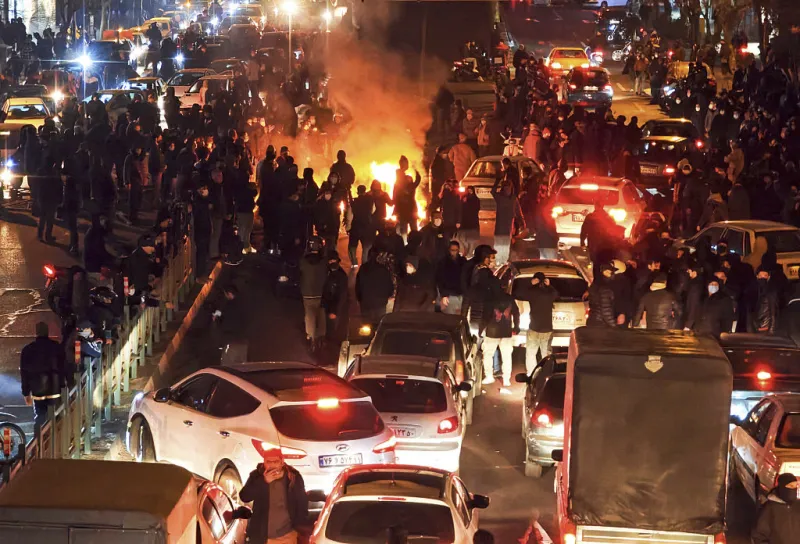
Western diplomatic efforts, including negotiations over Iran's nuclear program and regional influence, have not led to internal political reforms. The regime continues to suppress dissent, restrict media freedom, and limit political participation. Reports from Amnesty International and Human Rights Watch document ongoing arrests of journalists and activists.
Iran's foreign policy remains focused on supporting allied groups in the Middle East, such as Hezbollah in Lebanon and the Houthi movement in Yemen. This has created tensions with Western nations and some regional powers. The U.S. and European Union maintain sanctions targeting Iran's ballistic missile program and human rights abuses.
Analysts suggest that Iran's leadership prioritizes regime stability over international engagement. No credible evidence indicates a shift toward democratic reforms or a reduction in authoritarian practices as of the latest verified data.