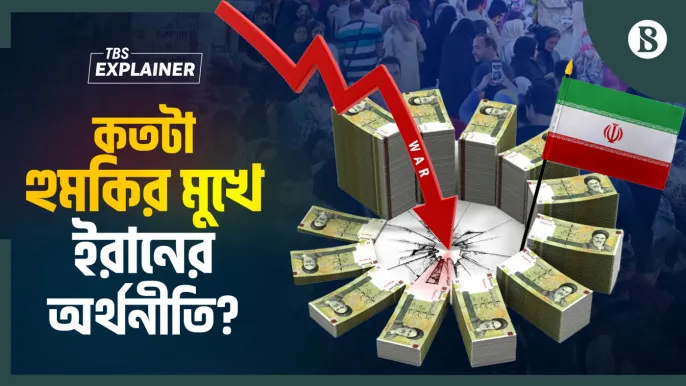
As of late July 2026, the expansion of US military operations beyond the Strait of Hormuz is placing significant strain on Iran's economy. The strait, a critical chokepoint for global oil shipments, has seen heightened tensions, but the broader scope of conflict now threatens Iran's oil exports and overall economic stability.
Iran's economy, already grappling with high inflation and sanctions, faces new challenges. The International Monetary Fund (IMF) projected Iran's inflation rate at around 40% for 2026, while oil exports have declined due to stricter US enforcement of sanctions. The expansion of conflict risks further disrupting trade routes and deterring foreign investment.
Analysts note that Iran's reliance on oil revenues makes it vulnerable to any disruption in the Strait of Hormuz, through which about 20% of the world's oil passes. However, the widening of US operations could also impact non-oil sectors, including petrochemicals and agriculture, as supply chains are affected.
Tehran has sought to mitigate these pressures through closer ties with China and Russia, but the effectiveness of these partnerships remains limited. The situation underscores the fragility of Iran's economy amid ongoing geopolitical tensions.