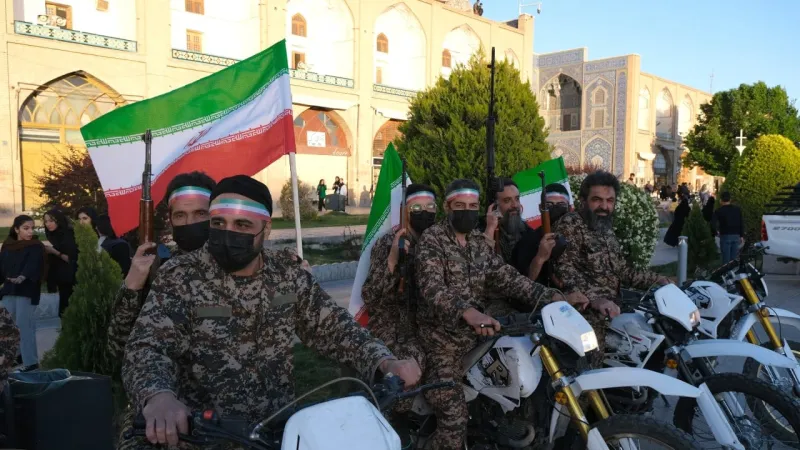
As of July 30, 2026, Iran faces ongoing internal unrest following the death of Mahsa Amini in September 2022, which sparked widespread protests. The Islamic Republic has historically relied on its armed forces, including the Islamic Revolutionary Guard Corps (IRGC), to suppress dissent. However, recent reports suggest growing discontent within the ranks, with some soldiers and officers defecting or refusing orders.
According to verified reports from human rights organizations, at least 200 military personnel have been arrested or dismissed for insubordination since 2022. The IRGC, a key pillar of the regime, has seen internal purges, with commanders publicly warning against disloyalty. Analysts note that economic hardship, including inflation exceeding 40%, has eroded morale among lower-ranking soldiers.
The regime's survival hinges on the perception that obedience is safer than defection. However, as defections increase—with some soldiers seeking asylum abroad—the calculus may shift. A 2025 report by the International Crisis Group indicated that the IRGC's cohesion is under strain, though no widespread mutiny has occurred.
External factors, such as international sanctions and diplomatic isolation, compound the challenge. The U.S. and EU have maintained sanctions, while Iran's regional influence has waned. If defection becomes a viable option, the regime's ability to maintain order could be critically undermined.