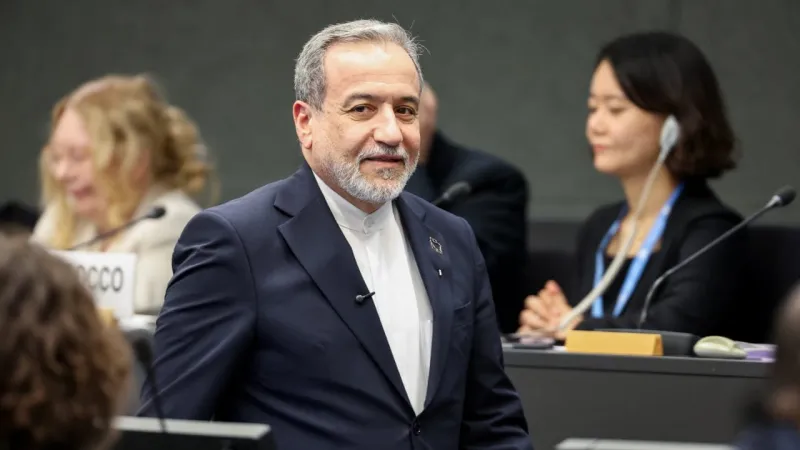
According to a 2026 report by the International Atomic Energy Agency (IAEA), Iran has continued to enrich uranium to 60% purity, a level with no civilian use, while engaging in diplomatic talks with world powers. U.S. officials have stated that negotiations must be based on verified actions, not trust.
Iran's negotiating history, including the 2015 Joint Comprehensive Plan of Action (JCPOA), shows that Tehran has used delays to advance its nuclear program. A 2025 U.S. intelligence assessment noted that Iran's breakout time to produce a nuclear weapon has shortened to less than two weeks.
Current talks in Vienna, as of May 2026, have stalled over Iran's demand for full sanctions removal before compliance. The U.S. position, reiterated by the State Department, is that sanctions relief will only come after IAEA verification of Iran's nuclear commitments.