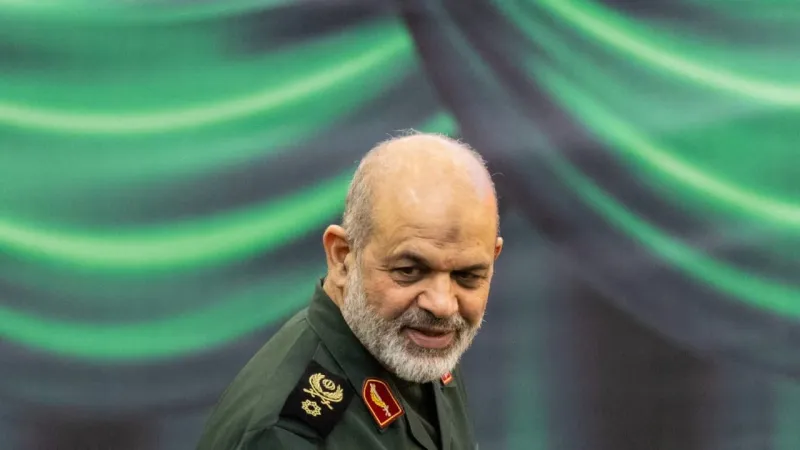
Following the death of Supreme Leader Ali Khamenei on April 20, 2026, Iran has not undergone a fundamental transformation, according to analysts. Instead, the Islamic Revolutionary Guard Corps (IRGC) has solidified its control over both the political system and the economy, maintaining the status quo under a new leadership structure.
The IRGC, designated as a terrorist organization by the United States, has expanded its economic influence through subsidiaries and contracts in sectors such as oil, gas, construction, and telecommunications. Reports from the Foundation for Defense of Democracies indicate that the IRGC controls an estimated 20-30% of Iran's economy, a figure that has remained stable since Khamenei's death.
Political analysts note that the succession process, which elevated Ali Khamenei's son Mojtaba Khamenei to the position of Supreme Leader, was heavily influenced by IRGC commanders. This has led to concerns that the IRGC's role in governance has become even more entrenched, with no meaningful reforms or power-sharing with civilian factions.
International observers, including the United Nations, have called for transparency and accountability in Iran's political transition, but the IRGC's continued dominance suggests that any significant change is unlikely in the near term. The economic situation remains dire for ordinary Iranians, with inflation exceeding 40% and unemployment rates high, as the IRGC prioritizes its own interests over public welfare.