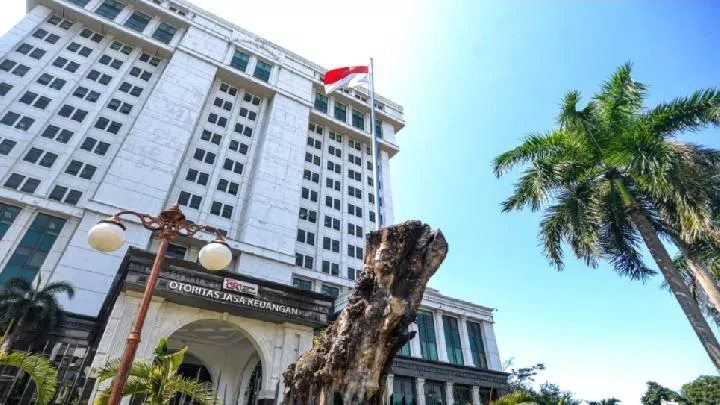
The Indonesian House of Representatives (DPR) is currently deliberating a revision to Law No. 21 of 2011 concerning the Financial Services Authority (OJK). The proposed amendments have sparked significant debate among lawmakers, financial experts, and civil society groups regarding the potential impact on the OJK's operational independence.
Key points of contention in the draft revision include proposals to change the leadership structure of the OJK's board of commissioners and to alter the process for appointing its leadership. Critics argue that certain proposed changes could increase political influence over the financial regulator, which was established as an independent institution. Proponents of the revision state that the amendments aim to strengthen governance and accountability within the financial sector.
The discussion follows a period of scrutiny over the OJK's role, including its supervision of banks and capital markets. The legislative process is ongoing, with no final agreement reached as of April 2026. The outcome of these debates will shape the regulatory landscape for Indonesia's financial services industry.