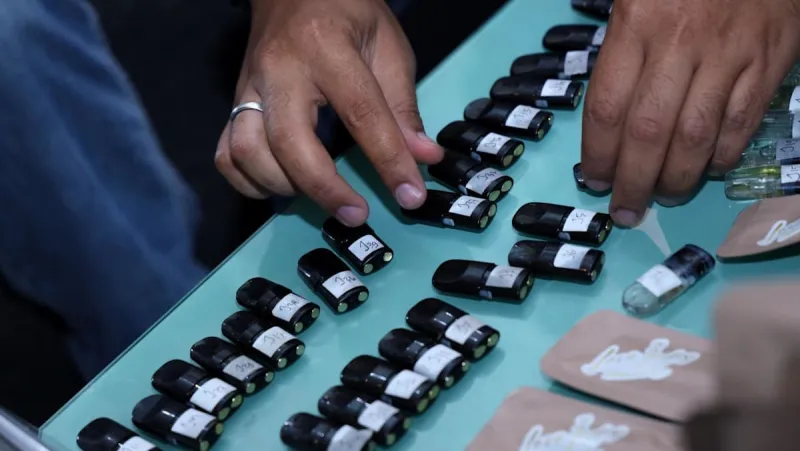
Indonesia is debating a proposed ban on e-cigarettes amid concerns over drug-laced vaping products. According to a 2023 report by the World Health Organization (WHO), only three of the 11 ASEAN member states—Indonesia, Malaysia, and the Philippines—have not enforced bans on e-cigarettes. Malaysia is currently implementing a phased ban on all e-cigarettes and vaping products, with a total nationwide prohibition expected sometime in 2024.
The debate in Indonesia intensified after reports of vapes laced with narcotics, including synthetic cannabinoids, emerged in early 2024. The Indonesian government, led by President Joko Widodo, has not yet finalized a decision, but the Ministry of Health has expressed support for a ban to protect public health, particularly among youth. A 2023 survey by the Indonesian Institute for Health Research and Development found that 12.6% of Indonesian adolescents aged 13-15 had used e-cigarettes.
Proponents of the ban argue that e-cigarettes pose health risks and can serve as a gateway to traditional smoking or drug use. Opponents, including vaping industry advocates, claim that e-cigarettes are less harmful than combustible tobacco and that a ban could drive users to unregulated black markets. The Indonesian Vapor Entrepreneurs Association (APVI) estimates that the vaping industry supports over 2,000 businesses and 50,000 jobs nationwide.
As of July 2026, no official ban has been enacted, but the Indonesian government continues to review regulations. The debate reflects broader regional trends, with ASEAN countries increasingly adopting restrictive measures on e-cigarettes to curb youth vaping and drug abuse.