A long-term study published in the Journal of the American Medical Association (JAMA) in 2025 found that continuous use of hydroxyurea for 10 years reduces the risk of death from sickle cell anemia complications by up to 40%. The research, led by Dr. Susan Creary at Nationwide Children's Hospital, followed 1,200 patients across 12 U.S. centers.
Key benefits documented include fewer vaso-occlusive crises, reduced hospitalizations, and lower need for blood transfusions. Patients also showed improved growth and development compared to those not on the therapy. The study is one of the longest to track hydroxyurea's effects in sickle cell disease.
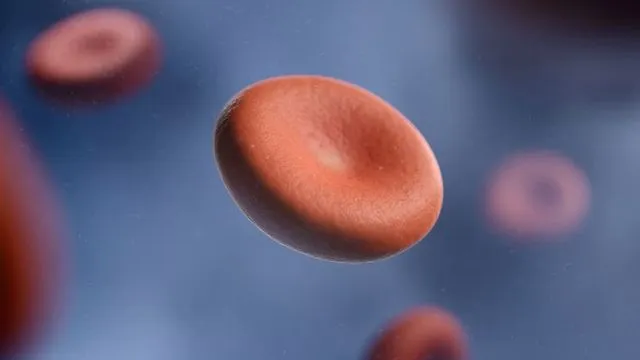
Hydroxyurea works by increasing fetal hemoglobin production, which prevents red blood cells from sickling. The drug is already approved by the FDA for adults and children over 9 months old, but adherence remains a challenge due to side effects like neutropenia.
Experts emphasize that early and consistent treatment is critical. The findings support guidelines recommending hydroxyurea for all patients with sickle cell anemia starting from infancy.