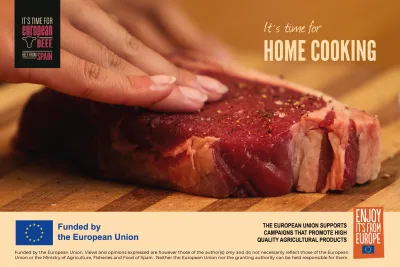
The adoption of hybrid work arrangements in the Philippines, accelerated by the COVID-19 pandemic, has led to a notable increase in home cooking. With employees splitting time between home and the office, many Filipinos report spending more time preparing meals domestically. This shift is supported by market research indicating a sustained consumer interest in home-based food preparation and grocery spending post-pandemic.
Industry analysts note that the trend is influencing retail and food service sectors. Sales of kitchen appliances, groceries, and meal kits have seen growth, while some segments of the food delivery industry are adapting to this change in consumer behavior. The pattern reflects a broader global reevaluation of work-life balance and domestic habits.
While specific national statistics on the exact percentage increase in home cooking are not uniformly reported, business and consumer surveys consistently highlight this behavioral shift as a lasting legacy of the hybrid work model. The change is also linked to economic factors, as home cooking is often perceived as a way to manage household budgets amid inflation.