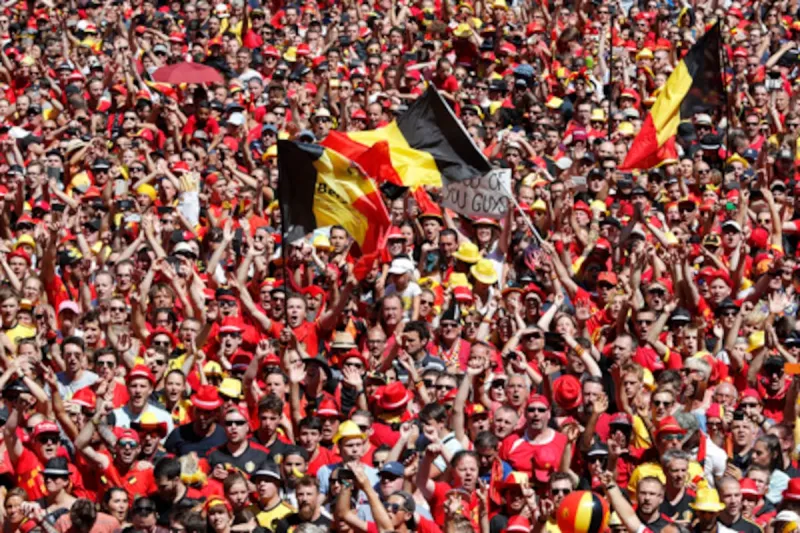
Hungary held a pivotal parliamentary election in April 2026, with Prime Minister Viktor Orbán's Fidesz party facing its most serious electoral challenge in years. The main opposition challenger, Péter Magyar, leader of the Tisza party, campaigned heavily on anti-corruption themes and attracted large crowds across the country in the months leading up to the vote.
The campaign was marked by viral drone footage purportedly showing a lavish private estate in northern Hungary, featuring manicured gardens, a swimming pool, and what appeared to be exotic animals including zebras on the grounds. The footage, widely shared on social media, became a symbol for opposition arguments about the concentration of wealth and privilege among those connected to the ruling party after more than 15 years of Fidesz governance.
Orbán, who has governed Hungary since 2010 and transformed the country's political and media landscape, sought a fifth consecutive term in office. His campaign focused on national sovereignty, opposition to immigration, and skepticism toward European Union policy directives. Fidesz has long dominated Hungarian politics through a combination of electoral law changes, media consolidation, and strong support in rural areas.
Magyar, a former insider who was once married to a former justice minister, emerged as a credible opposition figure after publicly breaking with the establishment and alleging systemic corruption. His Tisza party rapidly built a following, particularly among younger and urban voters frustrated with what they described as entrenched cronyism. International observers and EU institutions have repeatedly raised concerns about democratic backsliding and the rule of law in Hungary under Orbán's leadership.