Human-driven climate change is having a measurable impact on the very rotation of our planet. A study published in the journal Nature in 2024 confirmed that the melting of polar ice caps, primarily from Greenland and Antarctica, is redistributing Earth's mass. As this water flows toward the equator, it subtly changes the planet's shape and slows its spin, much like a figure skater extending their arms.
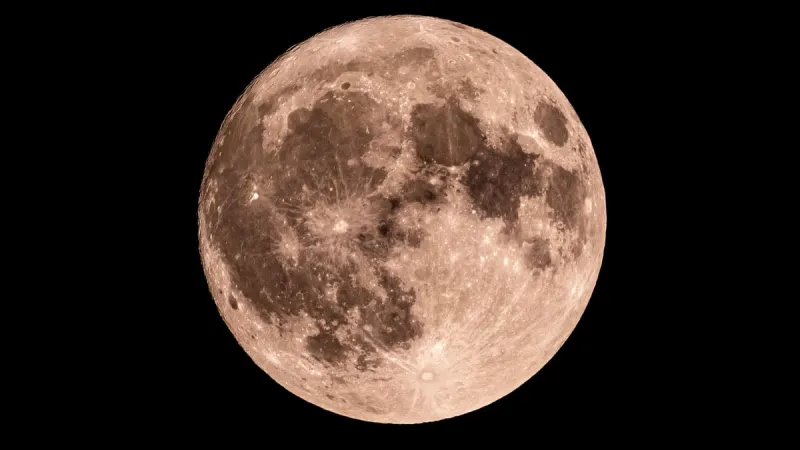
This process is lengthening the day. While the change is currently minuscule—measured in milliseconds per century—it marks a significant shift. For most of Earth's history, the dominant force affecting the length of day was the gravitational pull of the Moon, which has been gradually slowing our planet's rotation over billions of years.
Scientists now report that human-induced climate change has become a more powerful driver of this slowdown than the Moon's influence. The research, led by a team from the Swiss Federal Institute of Technology in Zurich (ETH Zurich), used advanced climate models and observational data to isolate the impact of melting ice.
The findings highlight the profound and wide-ranging planetary-scale consequences of global warming. While the immediate effect on daily life is negligible, the precise measurement of Earth's rotation is critical for modern technologies like GPS and satellite communications, which rely on ultra-accurate timekeeping.